

Linda shares one of her favorite hair care formulas.
by Linda Lee-Bower – July 30, 2023

by Linda Lee-Bower – July 30, 2023

News – by Linda Lee-Bower
How to Use Magnesium Cream at Night
Some days seem to settle right into the body. Tired feet. Achy legs. Tight shoulders. By evening, a little extra care can feel very welcome. Magnesium Body Cream gives you an easy way to bring topical magnesium into those few minutes before bed, with a rich blend of plant oils that cares for your skin at the same time. If you’re new to magnesium cream, there’s very little to fuss over. Start with a small amount, massage it in, and give yourself a little time to find what feels best for you. Here are the questions that tend to come up first. What Is Topical Magnesium? Topical magnesium is simply magnesium applied directly to the skin, most often as a cream, lotion, oil, or spray. Naturally Linda’s Magnesium Body Cream combines Zechstein magnesium chloride with coconut, grape seed, avocado, Abyssinian, and sweet almond oils. It’s unscented, rich and moisturizing, and one teaspoon contains approximately 280 mg of elemental magnesium. In other words, you get your magnesium in a form that also feels like good body care. How to Use Magnesium Cream A warm shower is a good place to start. Once your skin is clean and dry, massage a small amount of magnesium cream into the areas that could use it. Try: The arches of your feet The backs of your knees Tired legs Tight shoulders Achy or sore muscles Where you apply it can change from one day to the next. Your feet may need the attention one day, and then your shoulders the next. There’s room to make it your own. Why Choose Magnesium Cream Instead of a Spray? This really comes down to how you like to care for your skin. A magnesium cream gives you topical magnesium in a rich base of moisturizing oils, so you can take care of both in the same step. It also gives you a few minutes to massage the areas that are feeling tired or achy, which can be especially welcome at the end of the day. A Few Magnesium Cream Questions We Hear Often How Often Can I Use Magnesium Cream? Some people keep their magnesium cream by the bedside and use it every evening. Others reach for it after an active day or whenever their body is asking for a little extra care. Both can have a place. If your skin is sensitive, begin with a small amount and see how your skin responds before finding the frequency that suits you. How Much Magnesium Cream Should I Use? A little is plenty. Use enough to massage comfortably into the area. One teaspoon of Magnesium Body Cream contains approximately 280 mg of elemental magnesium. Can I Use Magnesium Cream With My Other Body Care? Yes. There’s plenty of room for the products your skin already knows and enjoys. Use Magnesium Body Cream where you want the magnesium and massage, then continue with your other body care where it makes sense for you. What About Sensitive Skin? Magnesium Body Cream is unscented and made with moisturizing plant oils. If your skin tends to be sensitive, try a small area first and give it time to respond, particularly after shaving or when your skin is feeling tender. Magnesium + Wild Yam Comfort Cream If Wild Yam Comfort Cream already has a place in your evening, Magnesium Body Cream can sit right alongside it. They each have their own purpose: Magnesium Body Cream Massage into the feet, legs, shoulders, or achy muscles. Wild Yam Comfort Cream Use according to your stage of life and cycle. For women who enjoy having both on hand, the Calm & Comfort Bundle brings them together in one easy pairing. SHOP CALM & COMFORT Your evening routine belongs to you. Some nights your feet may need a little more attention. Other nights it’s your shoulders or legs. Start where you need it, use what feels right for you, and keep it easy enough to come back to. SHOP MAGNESIUM BODY CREAM
Read more

News – by Linda Lee-Bower
What "Clean" Hair and Skin Care Means at Naturally Linda
“Clean” is a word you see everywhere, but it doesn’t have one universal definition. To me, clean hair and skin care means knowing why every ingredient is in a formula and choosing each one with intention. It means creating products that are gentle, effective, thoughtfully made, and honest about what they contain. It does not mean relying on fear or pretending that every natural ingredient is good and every lab-created ingredient is bad. Thoughtfully Chosen Ingredients Every Naturally Linda formula begins with a purpose. I look at what each ingredient contributes, how it feels on the skin or hair, how it works alongside the other ingredients, and whether it truly needs to be there. Botanicals such as marshmallow root and calendula have been used in personal care for generations. Plant oils and butters can help soften and condition, while carefully chosen cleansers can clean the hair and skin without leaving them feeling stripped. Whether a product comes in a bar, jar, or bottle, every ingredient should earn its place. Ingredients We Leave Out Our formulas are made without sulfates, parabens, phthalates, formaldehyde, or formaldehyde-releasing preservatives. That does not mean our products are carelessly left unprotected. Water-based skin and hair care products require an appropriate preservation system to help keep them safe and stable. Clean formulation is not about avoiding science. It is about using science thoughtfully. We also do not believe that more foam automatically means a better cleanse. Our hair and skin care products are formulated to cleanse effectively while still feeling comfortable to use. Small-Batch Care We make our products by hand in small batches because it allows us to stay closely connected to every formula. Some botanicals require time and careful extraction. Other products work beautifully with only a few well-chosen ingredients. We do not add something simply because it is popular, and we do not rush a formula to follow a trend. Every product is developed to meet a real need. Transparency Matters Trust should come from more than beautiful packaging or popular marketing words. It should come from clear ingredient lists, thoughtful formulation, responsible testing, and a company willing to answer questions. For example, our Wild Yam Comfort Cream is independently tested for heavy metals, and we make those results available to our customers. That kind of transparency is an important part of what clean means to me. Is Natural Always Better? Not automatically. “Natural” describes where an ingredient comes from. It does not guarantee that the ingredient will be appropriate for every person or every formula. Natural ingredients can still cause sensitivities, while many carefully selected lab-created ingredients have a long history of safe use. I care more about what an ingredient does, why it is included, and how it performs in the finished product. Why Read the Ingredient List? The ingredient list gives you information that marketing language cannot. Ingredients used at higher levels generally appear toward the beginning of the list, although ingredients present at one percent or less may be listed in a different order. Reading the full list can help you recognize ingredients you prefer, avoid known sensitivities, and make more informed choices. If your skin is sensitive, introduce new products slowly and patch test them on a small area first. Our Standard for Clean Hair and Skin Care At Naturally Linda, clean means: Formulating with purpose Choosing ingredients thoughtfully Leaving out ingredients that do not meet our standards Preserving products responsibly Making our formulas in small batches Being transparent about what we use and why Clean hair and skin care should not leave you confused or afraid of an ingredient label. It should help you feel informed and confident about the products you bring into your home. Shop the Skin Care Collection · Explore Hair Care · Learn More About Naturally Linda
Read more

News – by Linda Lee-Bower
Essential Oils, Natural Fragrance and Clean Aromatic Blends: What’s the Difference?
For many years, the word fragrance has left a bad taste in the mouths of people who want cleaner, more thoughtfully made products. I understand why. Traditional fragrance oils were often associated with ingredients such as phthalates, parabens, formaldehyde and formaldehyde releasing preservatives. Companies were also not always transparent about what was included inside a fragrance blend. Naturally, many of us began believing that essential oils were always the cleaner and safer choice. But the fragrance world has changed, and I believe it is important to recognize that. I have chosen essential oils whenever possible throughout my years of formulating. I love their beautiful aromas, their connection to the plants they come from and the way they can add character to a product. But I have also learned something important. Natural does not automatically mean safer, and synthetic does not automatically mean harmful. What Is an Essential Oil? Essential oils are concentrated aromatic compounds extracted from plants through methods such as steam distillation or cold pressing. They can be wonderful ingredients, but they are also extremely powerful. Certain essential oils can irritate sensitive skin, cause allergic reactions or become unsafe when used above their recommended concentration. Some citrus oils can also increase sensitivity to sunlight. Essential oils must be carefully selected and properly diluted. They are not appropriate for every product, every person or every area of the body. What Is a Natural Fragrance? A natural fragrance is generally created using aromatic ingredients derived from natural sources. This may include essential oils, plant extracts, isolates and other naturally derived aromatic materials. The term sounds reassuring, but natural fragrance does not automatically mean that a product will be gentle or free from potential allergens. Many naturally occurring fragrance components, including those found in essential oils, can cause sensitivity in some people. That does not make them bad ingredients. It simply means they must be formulated with knowledge and care. What Is a Clean Aromatic Blend? What has traditionally been called a fragrance oil is a blend of aromatic ingredients created to produce a specific scent. Today, responsible formulators have access to much more sophisticated options. We can choose aromatic blends that are specifically made without ingredients such as phthalates, parabens, formaldehyde and formaldehyde releasing preservatives. At Naturally Linda, I prefer to describe the blends we carefully select as clean aromatic blends. That does not mean every fragrance oil on the market is automatically clean. It means companies like mine can review the supplier's documentation, ask questions and choose blends that meet our own ingredient standards. When I consider using one of these blends, I look beyond whether it smells beautiful. I review the recommended usage level, safety information and documentation provided by the supplier. I also make sure the blend is appropriate for the particular type of product I am creating. Why Would I Choose a Clean Aromatic Blend Over Essential Oils? Sometimes an expertly created aromatic blend allows me to achieve a beautiful scent using a lower or more controlled concentration than I could achieve using essential oils alone. It can also allow me to avoid using a high amount of a particular essential oil that may be irritating, sensitizing or unsuitable for the product. A clean aromatic blend can also create a more balanced and consistent scent, remain stable longer than certain essential oils, offer aromas that cannot be achieved using essential oils alone, reduce pressure on plants that require enormous quantities to produce a small amount of essential oil, and allow more precise control over the finished fragrance. This is why there are occasions when a carefully selected clean aromatic blend may actually be the more responsible choice. My Approach at Naturally Linda My philosophy has not changed. I will continue choosing essential oils when they are safe, appropriate and add something meaningful to the formula. There will also be times when I choose a clean aromatic blend, either on its own or alongside essential oils, because it creates a safer, more stable or more beautiful finished product. When I use a clean aromatic blend, I am not simply choosing any fragrance oil. I am intentionally seeking blends made without phthalates, parabens, formaldehyde and formaldehyde releasing preservatives, while reviewing the available safety documentation and recommended usage rates. I do not choose an ingredient simply because it is natural. I choose it because I have considered how the product will be used, where it will be applied, the appropriate concentration, the supplier's safety documentation, the sensitivity of the area, and the experience I want the product to create. A clean product can still contain a fragrance blend. The more meaningful questions are what is inside that blend, how much is being used, is it appropriate for the product, and did the formulator take the time to select it responsibly. Those are the questions I will continue asking. Because you deserve products made with both nature and knowledge. Naturally,Linda
Read more

News – by Linda Lee-Bower
How to Switch to a Natural Shampoo Bar: Transition Timeline, Storage Tips, and Advice by Hair Type
Most shampoo does one thing really well: it makes your hair feel clean in the moment. What it does not tell you is that the squeaky, shiny result comes largely from synthetic detergents and silicones that build up on the hair shaft over time. Making the switch to a natural shampoo bar changes that entirely. Our Natural Shampoo Bars are made from plant-based oils, butters, and botanicals that clear that build-up and let your hair find its own balance again. The shampoo bar transition takes a few weeks, and this guide walks you through every part of it so you feel confident from wash one. → Shop the Hair Care Collection What Actually Happens When You Switch to a Natural Shampoo Bar Most of us grew up with liquid shampoo, so we learned to equate that squeaky-clean feeling with actually clean hair. That feeling largely comes from synthetic detergents, silicones, and coating agents that accumulate on the hair shaft over time. Hair looks shiny because it is coated, and that coating needs to clear before your hair can breathe and behave on its own terms. When you introduce a natural shampoo bar, that clearing process begins. Your hair and scalp recalibrate, sebum production rebalances, and the hair shaft gradually returns to its natural state. That is what people call the transition period, and once you understand what is happening and why, it becomes far easier to move through it with patience and confidence. Natural Shampoo Bar Transition Timeline: What to Expect Week by Week Weeks 1 to 2: The Adjustment Window The first two weeks are the most active part of the transition, and for a lot of people, the most surprising. Your scalp has spent years compensating for the stripping effect of synthetic shampoo by over-producing oil. When you take that cycle away, it takes a little time to settle into its own rhythm again. That is completely normal, and it is actually a sign that your scalp is beginning to heal. During this window you may notice your hair feeling waxy or heavier than usual, particularly towards the ends. Your scalp might feel oilier than expected, or occasionally a little dry. Lather may feel lighter than you are used to. Give it grace. It does pass, and what comes after is worth it. What helps most: Rinse more thoroughly than feels necessary. Most of the time, that is genuinely all it takes. Weeks 3 to 4: The Turning Point This is the week most people write to us. The heaviness lifts, the scalp settles, and hair starts to feel like itself again. Wash days stop feeling like an experiment and start feeling like a ritual you actually look forward to. Beyond Week 4: Fully Settled By the end of the first month, most people are fully through. The scalp is calm, hair feels clean and balanced, and your Natural Shampoo Bar starts to feel like the most natural thing in the world. For those with long, thick, or heavily colour-treated hair, give yourself six weeks rather than four. Hair with more product history simply needs a little more time, and the transformation on the other side is absolutely worth the patience. How to Use a Natural Shampoo Bar for Best Results Technique has a greater impact on results than most people expect, so it is worth taking a moment to get it right from the start. Option 1, direct application: Wet your hair thoroughly, then rub the Natural Shampoo Bar directly onto your scalp and through your hair in sections. Work it in gently with your fingertips. Option 2, lather in hands first: Work the bar between your palms to build up a lather, then apply it to your hair. This method gives you more control and works particularly well for fine or colour-treated hair. Either way, rinse thoroughly and then take the time to rinse again. A complete rinse is the single most important step for a smooth transition. Follow up with the Natural Conditioner Bar on the mid-lengths and ends, and your hair will thank you for it. → Shop the Natural Shampoo Bar How to Store a Natural Shampoo Bar Proper storage extends the life of your Natural Shampoo Bar significantly, and the key is simple: keep it dry between uses. A bar that stays damp between washes will soften and dissolve far faster than one with good airflow around it. The best options are: • A Soap Saver for Bar Longevity, which lifts the bar off the surface and allows it to dry fully between uses • A well-draining wooden soap rack with air circulating underneath • A tin or small linen bag when travelling between uses Natural shampoo bars and travel are a genuinely wonderful pairing. One bar covers several weeks away, fits easily into carry-on luggage with no liquid restrictions to worry about, and arrives in exactly the same condition it left. Wrap yours in a muslin cloth or tuck it into a travel tin and you are sorted. Natural Shampoo Bar Tips by Hair Type Natural Shampoo Bar for Oily Hair An active scalp in the first couple of weeks is a reliable sign that sebum production is recalibrating and finding its natural balance. This is the transition doing exactly what it should. • Washing two to three times a week gives your scalp the space it needs to regulate • Focus the Natural Shampoo Bar on the scalp and allow it to move through the lengths naturally as you rinse • A diluted apple cider vinegar rinse post-wash helps reset the hair’s pH and keeps the scalp feeling fresh and balanced Most people with oily hair find that wash days become further apart after a full transition. A balanced scalp tends to stay that way. Natural Shampoo Bar for Dry or Damaged Hair Dry hair responds beautifully to a gentle and attentive approach during the first few weeks, when texture changes tend to be most noticeable. • Following every wash with a Natural Conditioner Bar, focused on the mid-lengths and ends, makes a significant difference throughout the transition • Work the shampoo bar into the scalp and allow the lather to move through the lengths as you rinse rather than working it directly through dry or brittle ends • A weekly deep conditioning treatment while your hair adjusts is a lovely ritual worth building into your routine Natural Shampoo Bar for Curly Hair Curly hair is naturally more porous and tends to feel product changes more keenly. Once through the transition, Natural Shampoo Bars are consistently gentler on curl pattern and definition than conventional shampoo formulas. • Lukewarm to cool water supports curl pattern and keeps frizz calm throughout the wash • Apply the Natural Conditioner Bar generously and allow it to sit for a minute or two before rinsing for best results • Detangle gently while conditioner is still in, using your fingers or a wide-tooth comb Curls can hold residue more readily during the waxy phase of transition. Thorough rinsing paired with an apple cider vinegar rinse makes a genuinely noticeable difference. Natural Shampoo Bar for Colour-Treated Hair Natural Shampoo Bars are gentler on colour than sulphate-based conventional shampoos, and many people find that their colour actually holds better once the transition is complete. Synthetic surfactants are a well-known contributor to premature fade. • Allowing freshly coloured hair at least one week to settle before switching gives the colour time to fully bond • Cool to lukewarm water at every wash supports colour longevity and shine • A Natural Conditioner Bar after every shampoo gives colour-treated hair the consistent moisture it responds so well to → Pair with the Natural Conditioner Bar Frequently Asked Questions About Natural Shampoo Bars Does hard water affect how a natural shampoo bar performs? It can, particularly during the transition period. Hard water is high in minerals like calcium and magnesium, and those minerals can make lather feel like more of an effort in the first few weeks. A tablespoon of apple cider vinegar diluted in a cup of water, applied after shampooing and rinsed through, restores the hair’s natural pH and clears mineral buildup beautifully. Keep it in your routine while you are transitioning and reach for it as needed after that. Why does my hair feel waxy after switching to a natural shampoo bar? This is the transition working exactly as it should. Your hair is releasing build-up accumulated from years of synthetic product, and a more thorough rinse combined with an apple cider vinegar rinse will help move the process along comfortably. Do I still need a conditioner bar when using a natural shampoo bar? For most hair types, yes, and it makes a meaningful difference. Our Natural Conditioner Bar applied to the mid-lengths and ends supports the transition and keeps hair feeling soft and manageable throughout. How long does a natural shampoo bar last? A Natural Shampoo Bar stored dry between uses typically lasts the equivalent of two to three bottles of liquid shampoo, anywhere from six weeks to three months depending on hair length and wash frequency. Can a natural shampoo bar be used every day? Absolutely. Most people find that wash days naturally become less frequent once the transition is complete, because natural shampoo bars cleanse effectively while keeping the scalp in balance and staying fresher for longer. Are natural shampoo bars suitable for children? Natural Shampoo Bars are formulated from plant-based ingredients and are generally very gentle on the scalp. Checking the specific ingredients for any known sensitivities is always a good idea, and keeping lather away from young eyes is recommended. Ready to Make the Switch? Browse the Naturally Linda Hair Care collection to find your Natural Shampoo Bar. Pairing it with a Natural Conditioner Bar from the very first wash makes the transition noticeably smoother and gives your hair the full, nourishing reset it deserves. Questions? Drop them in the comments or reach out directly. I genuinely love hearing from you. With love from the farm, Linda
Read more

News – by Linda Lee-Bower
Wild Yam Comfort Cream Reviews: What People Are Actually Saying
After nearly three decades of formulating and hundreds of conversations with women and men who’ve used Wild Yam Comfort Cream, the thing that strikes me most isn’t the reviews themselves. It’s the relief in them. Not excitement, but the relief. The kind that comes from finally feeling like something is actually working with your body instead of around it. That’s what I set out to create. And hearing it reflected back still gets me every time. What’s Commonly Reported Sleep tends to come up first. Many describe falling asleep more easily, waking less through the night, feeling more rested in a way they hadn’t in a while. For a lot of them, disrupted sleep had become so normal they’d stopped expecting anything different. Mood is the second thing. Not dramatic shifts — just a steadiness that starts to return. The frayed edges softening. Feeling a little more like themselves on days that used to feel harder to navigate. Physical comfort is the third. Less tension. More ease in the body. A sense of things settling that’s difficult to articulate but very easy to notice once it’s there. What’s worth saying plainly is that these shifts tend to arrive quietly and you’ll notice them in hindsight rather than in the moment. One week simply feels different from the one before it, and it takes a few of those before something clicks. Why Experiences Vary This is the part I think matters most and gets talked about least. Wild yam cream works cumulatively. It builds over time, which means the conditions around your routine: how consistently you use it where you apply it what else is going on in your body Two people can use the same cream in different ways and have genuinely different results, and both of those results are real. Stress, sleep, and what you’re eating are all part of the same conversation. The cream is one voice in it, an important one, but the body heals as a whole and not in pieces. Give it the right conditions and it will surprise you. What’s Worth Knowing Before You Start Give it time. The people who get the most from Wild Yam Comfort Cream are almost always the ones who come to it with patience rather than urgency. Most people start to notice something between three and four weeks of consistent daily use. Some a little sooner. Some a little later. Both are completely normal. Application matters more than most expect too. Clean skin, the right sites, a moderate and consistent amount all make a real difference to what your body absorbs and works with. If you have questions about how to use it, our Wild Yam FAQ page covers everything. Shop Wild Yam Comfort Cream → With love from the farm, Linda
Read more

News – by Linda Lee-Bower
Comfort Bloom Intimate Care Cream: What It Is, Who It's For, and Why I Made It
Some of the most important conversations I have with women happen in a near whisper. It is time we talked about this one out loud. For as long as I have been making products for women, the same quiet question has found its way to me. In a message late at night. Across a farmers market table once the crowd thinned out. From a friend who waited until we were alone to ask. "Linda, I just don't feel comfortable down there anymore." Dryness. Sensitivity. Irritation. Changes that arrive with a new season of life and settle in like they intend to stay. And underneath the question, so often, a quiet worry that she was the only one, or that this was simply hers to carry from here on. She was in the best company, surrounded by more women than she could imagine feeling exactly the same way. And this was something she could set down. That is where Comfort Bloom began. Far from a lab chasing a trend, it grew out of years of listening to real women describe something real. I formulated it, handed it to a group of women to live with for a while, and waited. When it came back, they each loved it for their own reasons, yet every one of them said the same thing in the end: how good it felt to finally have something they reached for with confidence instead of hesitation. What Comfort Bloom Is Comfort Bloom Intimate Care Cream is a plant-based cream formulated specifically for the vulva, the delicate external tissue that can experience dryness, sensitivity, irritation, and discomfort throughout different stages of life. It is made in small batches in Pennsylvania using botanicals chosen with genuine purpose. Every ingredient here earns its keep. Comfort Bloom is perfect for: Daily vulvar comfort and hydration Dryness and sensitivity Post-shave care for the bikini area, underarms, and legs Skin changes during perimenopause and menopause Reactive and sensitive skin at any age and any stage of life Let's Talk About Something Worth Knowing Many people use the words vulva and vagina interchangeably. They are actually different parts of the body, and the distinction matters when it comes to intimate care. The vulva is the external tissue. It includes the labia, clitoris, and surrounding delicate skin. The vagina is the internal canal that connects the vulva to the cervix. Comfort Bloom was formulated specifically for the vulva. It is applied externally to clean, dry skin. This is a beautiful, sensitive part of you, and learning about it is an act of self-care. If you are hearing this for the first time, you are in very good company. These are the conversations we deserve to have far more often. Why Vulvar Comfort Changes, and Why It Happens at Every Age Changes in comfort can happen at many stages of life. While hormonal shifts are often part of the story, they are far from the only reason women experience dryness, sensitivity, or irritation. Women of many ages and life stages experience this. It is worth saying clearly, because so many women manage their symptoms for years assuming this is a menopause-only concern. Perimenopause and menopause bring natural hormonal changes that affect moisture and tissue comfort. As estrogen shifts, vulvar tissue can become drier and more sensitive. This is among the most common reasons women seek intimate care support, and it is also among the most responsive to consistent botanical care. Breastfeeding causes temporary hormonal shifts that can affect intimate comfort in ways that catch many new mothers completely off guard. The body is doing something extraordinary during this time, and it sometimes needs extra support in unexpected places. Certain medications, including some antidepressants, antihistamines, and hormonal contraceptives, may contribute to dryness and increased sensitivity. Understanding the cause is the first step toward finding the right support. Stress influences many systems throughout the body, and skin is one of them. Many women notice that periods of heightened stress bring physical changes that are difficult to explain. The connection is real, and the body deserves support through it. Sensitive skin is simply how some women are wired. Their vulvar tissue has always been more reactive and requires consistent, gentle attention. Finding something formulated with that in mind can change everything. Harsh personal care products, including certain soaps and fragrances, may contribute to irritation in this area. The skin of the vulva responds best to ingredients chosen with genuine care. Shaving and everyday activity can leave the bikini area, underarms, and legs feeling dry or tender. Skin can also become more reactive during periods of hormonal change, making thoughtful post-shave care even more valuable. Comfort belongs to every woman, at every age, every stage, every season. The Botanicals Inside Comfort Bloom Here is what is inside and why it belongs. Marshmallow Root: Deep Hydration Support Known for its ability to soothe delicate tissue and help maintain moisture, marshmallow root has a long and trusted history in botanical traditions. It forms the hydrating foundation of this formula, chosen specifically for what it offers sensitive skin. Rose: Softening and Nurturing Rose helps support moisture while bringing a softening quality to delicate tissue. It carries a sense of comfort and care that feels exactly right for what this cream is meant to do. Calendula: Nature's Comfort Flower Traditionally prized for soothing and calming sensitive skin, calendula is one of the most reliable botanicals in intimate care. It has earned the trust of herbalists for centuries, and it earns its place here too. Sea Buckthorn: The Power of the Golden Botanical Naturally rich in omegas and antioxidants, sea buckthorn helps support healthy circulation and nourishes the skin. It brings that distinctive warm golden color to the formula, straight from nature. A little gift for the eyes as well as the skin. Thoughtful ingredients. Real comfort. How to Use Comfort Bloom Apply two pumps externally to clean, dry skin. For the first two weeks, use morning and evening. This gives the botanicals time to build their effect and allows your skin to settle into the routine. After that, adjust based on what your body tells you. Some women continue with twice daily use; others find once a day or as needed works well. With typical use, one bottle lasts approximately three months. Individual use will vary depending on frequency and application amount. About the Warming Sensation Many women notice a gentle warming sensation when they first apply Comfort Bloom. During testing, women told me they actually enjoyed this feeling because it gave them confidence the botanicals were actively supporting the area. It became one of the most talked-about parts of the experience. This warmth is a natural response to the active botanicals and the increased circulation they encourage at the skin's surface. It is the formula doing exactly what it was made to do. Comfort Bloom and Wild Yam Comfort Cream: A Beautiful Pairing For women navigating perimenopause or menopause, Comfort Bloom pairs naturally with Wild Yam Comfort Cream. Comfort Bloom supports external vulvar comfort and hydration, the daily topical care that helps tissue stay comfortable and well-nourished. Wild Yam Comfort Cream supports women through the broader hormonal transitions that accompany perimenopause and menopause, working through the skin to support the body's own rhythms. Together, they offer something more complete. Two products, two different jobs, one woman who deserves both. The Naturally Linda Philosophy What began years ago at a kitchen sink has grown into a farm-based wellness practice rooted in nature and guided by purpose. For decades now, my work has stayed close to the same belief that draws so many of you here: that the body responds best to what is gentle, natural, and made with real care. Comfort Bloom lives inside that philosophy. It sits alongside the herbs, the creams, and the teas as one more way to support a woman through the changes her body moves through. We believe people deserve products they can trust, ingredients they can feel good about, and support through every season of life. This cream is a direct expression of that belief. Frequently Asked Questions Can younger women use Comfort Bloom? Absolutely. Comfort changes for many reasons at many ages. This cream was formulated for women at every stage of life, from breastfeeding mothers to women noticing the first signs of perimenopause to women well past menopause. Is Comfort Bloom safe for sensitive skin? Yes. Each botanical was selected specifically for its gentleness and affinity for delicate tissue. A patch test on the inner forearm before first use is always a sensible step. Where exactly is Comfort Bloom applied? Externally to the vulvar area. It doubles as post-shave care for the bikini line, underarms, and legs wherever sensitive skin welcomes soothing support. How long before I notice a difference? Most women notice their skin feeling more comfortable within the first one to two weeks of consistent use. Give it a full two to four weeks of regular morning and evening use. Like most things in nature, the results build over time. Does Comfort Bloom pair well with other Naturally Linda products? It layers well with Wild Yam Comfort Cream for women navigating perimenopause and menopause. Each product does its own work. Together they cover more ground. Shop Comfort Bloom Thank you for allowing me to be part of your journey. I am so glad this one is finally ready to share. With love from the farm, Linda Comfort Bloom Intimate Care Cream is a natural topical product formulated for external use only. It is intended to support comfort and hydration. If you have specific health concerns, please speak with your healthcare provider. Discontinue use if irritation develops.
Read more

News – by Linda Lee-Bower
The Philosophy Behind Comfort Bloom: Thoughtfully Selected Ingredients for Everyday
FOR IMMEDIATE RELEASE Women’s Wellness Inside the thoughtful formulation of Naturally Linda’s new intimate carecream, and why its herbalist founder kept the blend to just four purposeful ingredients. WOODRIDGE FARM, PENNSYLVANIA — Ask Linda Bower where a formula truly begins, and she will point somewhere far from the workbench. Long before the plants, before the pump bottle, before a single measurement, there is a woman, a conversation, and a founder who has learned to listen for a good long while. That patience is the whole story behind Comfort Bloom, the new intimate care cream from Naturally Linda, the woman-owned wellness company behind the Barbara O’Neill-endorsed Wild Yam Comfort Cream. Today Linda is opening up about how the formula was shaped, why she held it to four plants, and how nearly three decades of hands-on herbal work guided her hand. “For years, women pulled me aside to talk about the same tender thing, always in a softer voice,” said Bower, the herbalist and founder of Naturally Linda. “Dryness. Sensitivity. That delicate skin that shifts right along with our hormones. I held those conversations close for a good while before I ever reached for a single ingredient. A remedy worth making earns that kind of patience.” How the Formula Was Born Comfort Bloom took shape the way all of Linda’s creams do: in small batches, refined patiently, and shared with a circle of real women whose honest reactions guided every adjustment. Staying true to the ethos that has always guided her, she chose precision over volume, holding the blend to four plants and asking each one to earn its keep. “I have always believed that a shorter list, chosen with real intention, gives a woman more than a label crowded with extras ever could,” Bower said. “Give each ingredient a real job, let it do that job beautifully, and a woman feels the difference in her body. A short, honest formula is the most generous thing I know how to make.” Why These Four Botanicals Linda chose each ingredient the way you would choose guests for a small gathering, each one there for a reason, each one caring for a woman as much as her skin. Marshmallow root anchors the blend with the deep, steady hydration herbalists have leaned on for generations to soothe tender skin and help it hold moisture. Rose brings softness, thenurturing kind that makes delicate skin feel truly cared for. Calendula, which Linda has always called nature’s comfort flower, has calmed sensitive skin for as long as anyone can remember. And sea buckthorn, golden and generous, offers omegas and antioxidants that nourish skin and support circulation, lending the cream its warm amber color straight from the plant. “Every one of these has lived in my hands for years,” she said. “I know how they behave, how they feel, how they treat skin that is asking to be handled gently. Bringing them together felt less like inventing something and more like introducing four old friends who were always going to get along.” A Commitment to Quality and Transparency Linda makes Comfort Bloom the way she makes everything, in small batches on the farm, formulated clean and free from phthalates, sulfates, parabens, and formaldehydes. She backs it with the third-party testing she believes every trustworthy brand owes the women who rely on it, the same openness that led her to share heavy-metals results on the wild yam cream that first brought many women to her. For Linda, quality and honesty are the same promise. Choose ingredients with real intention, make them with care, and let the results speak plainly. Where Tradition Meets Modern Care Comfort Bloom lives at the meeting point of time-honored herbal wisdom and the standards today’s women rightly expect. Its plants carry histories that reach back generations, chosen for qualities people have valued in them for a very long time. The way the cream is made honors the present, with careful small-batch craft, clean formulation, and open testing. That pairing, Linda says, is the whole point. Honor what the plants have always offered, and prove your care through the transparency women deserve. A Trusted Voice in Women’s Wellness Comfort Bloom joins a line that grew from humble beginnings, the soaps and salves Linda once stirred up for friends and family who loved natural living as much as she did. Decades later, that same spirit lives in each jar, and one belief guides her hand: women deserve products they can trust, gentle ingredients, and steady support through the seasons of life. “Formulating is caring, made physical,” she said. “When you make something with your own hands, you keep the women who will use it in your heart the entire time. Truly, that is the whole philosophy. The rest is only ingredients.” Learn More To explore the story behind Comfort Bloom and Naturally Linda’s broader work in women’s natural wellness, visit naturallylinda.com. About Naturally Linda Naturally Linda is a woman-owned wellness company handcrafting herbal remedies, hormone care, skincare, and botanical body care in small batches on a Pennsylvania farm. Founded by herbalist Linda Bower and known for its Barbara O’Neill-endorsed Wild Yam Comfort Cream, the company is built on natural ingredients, gentle formulation, and plain- spoken transparency. Linda sums up her standard easily: she makes each product the way she would want it made for her own family. Media Contact: info@naturallylinda.com naturallylinda.com Note to editors: Comfort Bloom is a natural topical product for external comfort and general wellness support. It is unrelated to the diagnosis, treatment, or prevention of any medical condition. Individual results vary.
Read more

News – by Linda Lee-Bower
Women's Wellness Continues to Evolve as Demand Grows for Natural Daily Support
FOR IMMEDIATE RELEASE Herbalist Linda Bower on the shift toward holistic, everyday care, and why women are choosing education and ritual over quick fixes WOODRIDGE FARM, PENNSYLVANIA — Something is shifting in the way women care for themselves. For decades, wellness was treated as a rescue mission, a thing women reached for once discomfort arrived and put away once it passed. Today, more women are approaching their health as a daily practice, one built on understanding their bodies, choosing natural ingredients, and tending to themselves through every stage of life. Few people have watched this shift unfold as closely as Linda Bower, the herbalist and founder of Naturally Linda, who has spent nearly thirty years helping women through the hormonal turns of perimenopause, menopause, and everything around them. "Women are done waiting until things feel unbearable," said Bower. "They want to understand what is happening in their bodies and care for themselves along the way, gently and consistently. That is a beautiful change, and it has been a long time coming." From Quick Fixes to Daily Rituals The old model asked women to silence a symptom and move on. The new one invites them to build small, steady habits that support the body over time. Linda sees it in the questions women bring her, which have grown more curious and more informed with each passing year. "A woman will ask me now about what an ingredient actually does, how it works with her body, why it belongs in her routine," she said. "She wants to learn, and she deserves a real answer. My whole aim is to meet that curiosity with honesty rather than hype." That appetite for understanding, she believes, is the heart of the movement. Women are trading the promise of an overnight cure for the quiet confidence of a ritual they trust. Education Over Hype For Linda, the surest sign of this shift is how much women want to know. Ingredient transparency, once a niche concern, has become something women expect. They read labels. They ask where things come from. They want to feel good about what they put on and in their bodies. She has built her work around meeting that standard, sharing openly about her ingredients and holding her products to third-party testing so women can see for themselves what they are getting. Naturally Linda's blog and product education exist for the same reason: to give women knowledge they can carry, whether they ever purchase a thing or simply learn something worth keeping. "An informed woman makes better choices for herself, always," Bower said. "If I can help her understand her own body a little better, I have done my job, even if she walks away and makes something in her own kitchen instead." Comfort Bloom, A Reflection of the Movement Naturally Linda's newest addition, Comfort Bloom, grew directly from this larger shift. An intimate care cream made for delicate skin, it speaks to a kind of everyday wellness women have long managed on their own with little guidance or support. Rather than a quick fix, it is designed as part of a daily ritual, a plant-based blend chosen for what each ingredient offers and made to be understood as much as used. It is one example among many of where women's wellness is heading: natural, preventative, honest, and woven into ordinary life. "Comfort Bloom is really a conversation, made into a cream," said Bower. "It exists because women asked, and because they deserve to be met with warmth in a part of life that is too often left unspoken." Supporting Women Through Every Stage At the center of the movement, and of Linda's work, is a simple belief: women deserve support at every age and every stage, delivered with education and care rather than pressure. Whether a woman is navigating her first hormonal changes, raising a family, or moving through menopause, the goal is the same, to help her feel informed, capable, and at home in her own body. "This is the future of women's wellness," Bower said. "Women who know their bodies, trust their choices, and care for themselves a little every day. I am simply grateful to walk alongside them." About Naturally Linda Naturally Linda is a woman-owned natural wellness company creating herbal remedies, hormone care, skincare, and botanical body care in small batches in Pennsylvania, inspired by the farm and garden at its heart. Founded by herbalist Linda Bower and known for its Barbara O'Neill-endorsed Wild Yam Comfort Cream, the company is built on natural ingredients, thoughtful formulation, and open transparency, alongside a heartfelt mission to educate and support women at every stage of life. To explore Naturally Linda's women's wellness education and product line, visit naturallylinda.com. Media Contact: info@naturallylinda.com naturallylinda.com Note to editors: Comfort Bloom is a natural topical product for external comfort and general wellness support. It is unrelated to the diagnosis, treatment, or prevention of any medical condition. Individual results vary. # # #
Read more

News – by Linda Lee-Bower
Naturally Linda Introduces Comfort Bloom, A New Addition to Its Women's Wellness Collection
FOR IMMEDIATE RELEASE After decades spent helping women through every turn their bodies take, herbalist Linda Bower answers one of the most whispered-about needs with a new intimate care cream WOODRIDGE FARM, PENNSYLVANIA — For nearly years, women have trusted Linda Bower with the questions they hesitate to ask anyone else. She has answered them from her kitchen, her market table, and the Pennsylvania farm and garden that inspire everything she creates. Today, she answers one more, and it may be the most heartfelt yet. Naturally Linda, the woman-owned wellness company Linda founded, has launched Comfort Bloom, a botanical intimate care cream for women moving through the natural transitions of life. It is available now at naturallylinda.com. For Linda, this one is personal. It began with a refrain she heard again and again across the years, the same tender subject returning to her table, her inbox, her quiet conversations with women who trusted her to understand. "Women kept telling me the same thing, that they simply wished they felt comfortable again," said Bower. "Dryness. Sensitivity. The changes that come with perimenopause, menopause, breastfeeding, and everyday life. I made Comfort Bloom for them, and for every woman who has ever wondered whether she was the only one. She was always in wonderful company. And now she has something gentle to reach for." Born From Real Conversations Comfort Bloom grew straight from the women themselves. For years, Linda listened as they described a quiet need the wellness world tends to overlook, and she watched them search for something kind enough to trust. So she did what she has always done: she set out to create it, drawing on decades of herbal knowledge and the botanicals her farm and garden inspire her to work with. The cream took shape slowly, in small batches, refined alongside a circle of women whose honest feedback guided each choice until it felt exactly right. Inside is a purposeful blend of botanicals, each earning its place. Marshmallow root brings deep hydration and a soothing softness to delicate skin. Rose nurtures and soothes. Calendula, long loved by herbalists, calms and settles. And sea buckthorn, generous with omegas and antioxidants, nourishes the skin while lending the cream its warm golden color, drawn straight from the plant. Linda describes them as four old friends who were always going to get along. A Natural Fit Within the Women's Comfort Collection Comfort Bloom joins a close-knit family of remedies, led by the Wild Yam Comfort Cream that first drew so many women to Linda and earned the endorsement of respected natural health educator Barbara O’Neill. The two were made to work hand in hand. Wild Yam Comfort Cream supports women through the deeper hormonal shifts of perimenopause and menopause. Comfort Bloom tends to the surface, offering daily hydration and ease for delicate skin. One reaches inward, one cares for the surface, and together they hold a woman through the whole season of change. That pairing reflects the belief Linda has carried since her very first batch: women deserve honest products, kind ingredients, and thoughtful support at every stage of life. Made the Way Linda Makes Everything Comfort Bloom is made in small batches in Pennsylvania, formulated free from phthalates, sulfates, parabens, and formaldehydes, and held to the same openness that led Linda to publicly share third-party testing on her flagship cream. For her, quality and honesty have always been one and the same. "Formulating is an act of care," Bower said. "When you create something with real intention, you keep the women who will use it in your heart the whole time. Comfort Bloom carries that spirit into a corner of women's wellness that deserves far more warmth and honesty than it usually receives. That is the part I am proudest of." Availability Comfort Bloom Intimate Care Cream is available now at naturallylinda.com. To learn more and shop the cream, visit the website or follow Naturally Linda on Instagram, Facebook, TikTok, and YouTube. About Naturally Linda Naturally Linda is a woman-owned natural wellness company creating herbal remedies, hormone care, skincare, and botanical body care in small batches in Pennsylvania, inspired by the farm and garden at its heart. Founded by herbalist Linda Bower and known for its Barbara O'Neill-endorsed Wild Yam Comfort Cream, the company is built on natural ingredients, thoughtful formulation, and open transparency. Linda sums up her standard easily: she makes each product the way she would want it made for her own family. Media Contact: info@naturallylinda.com naturallylinda.com Note to editors: Comfort Bloom is a natural topical product for external comfort and general wellness support. It is unrelated to the diagnosis, treatment, or prevention of any medical condition. Individual results vary. # # #
Read more

News – by Linda Lee-Bower
How to Use Wild Yam Comfort Cream for More Consistent Results
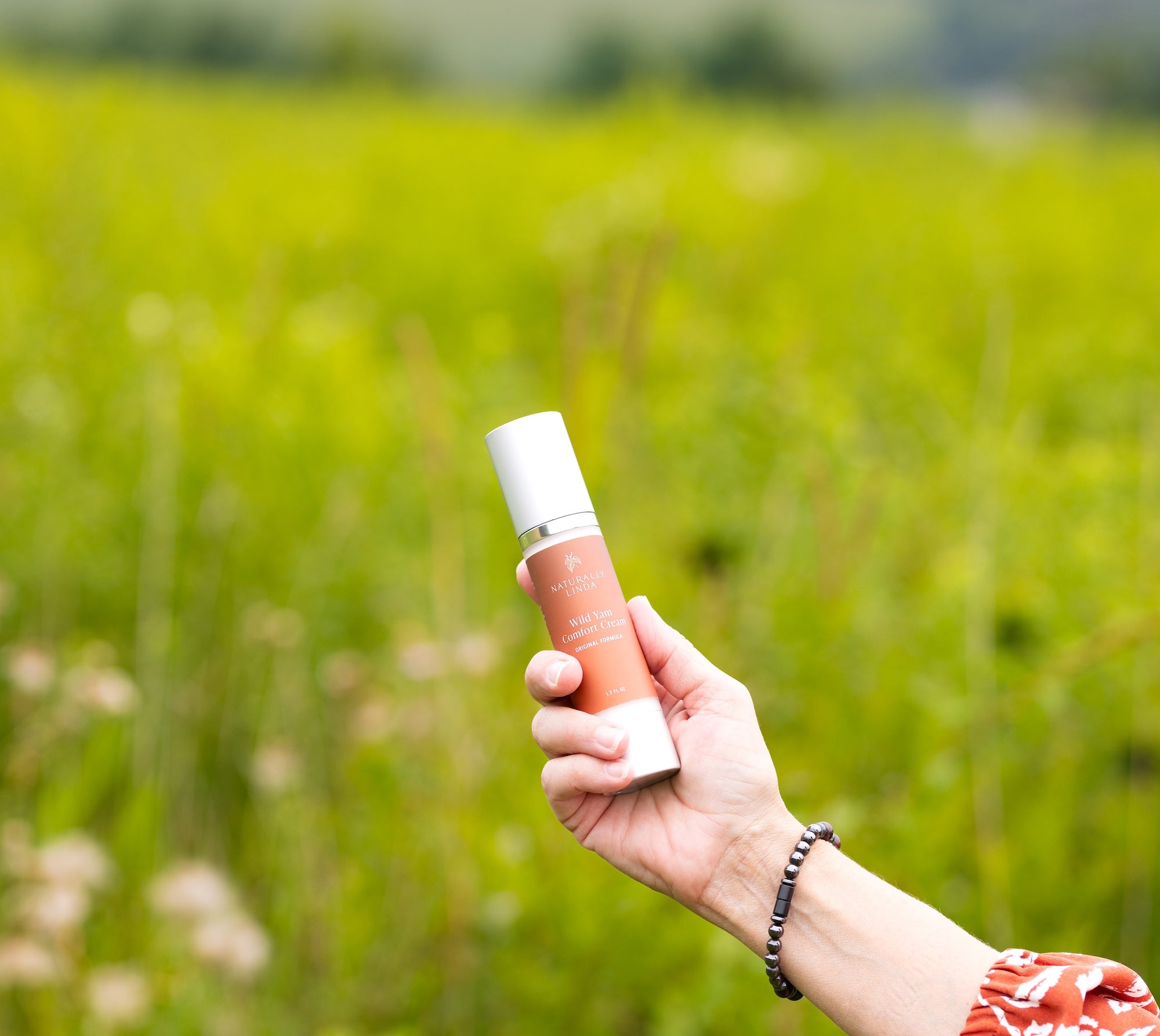
What to realistically expect, how to apply it well, and the honest things worth knowing before you start. After 28 years of formulating Wild Yam Comfort Cream and hearing from thousands of women, the question that comes up more than any other is some version of: I've been using it, but something feels off. And almost every time, when we actually talk it through, the cream is doing exactly what it should. What makes the difference is everything around it: how it's being applied, how consistently, and what someone is expecting to feel and when. So let's go through all of it together. Why Results Can Feel Inconsistent Wild yam works the way most things in nature do: over time, with the right conditions. A great deal of what shapes your experience is within your own hands. The most common things that work against results are also the most fixable. Too little product and the skin has less to absorb; too much and it sits on the surface rather than soaking through. Applying to a random spot each time means no area gets the consistent exposure it needs. Pick a few regular locations and rotate between them intentionally. Skipping days and doubling up disrupts the rhythm your body needs to respond. And expecting to feel something significant in the first few days is worth setting aside. Most women notice the effects of wild yam cream gradually: sleep begins to settle, mood steadies, comfort becomes more accessible. These shifts arrive quietly. Stress, sleep, and diet all play a role too. The cream works best when the rest of your life is offering some support alongside it. How to Apply Wild Yam Comfort Cream The right technique makes a genuine difference to how well wild yam cream absorbs and how consistent your results feel over time. Here is what I've found works best. Start with clean, dry skin Freshly washed skin absorbs best. If you've recently applied lotion or body oil, give it some time before applying the wild yam cream. Other products can reduce how much gets through, even once they feel like they've already soaked in. Choose a thin-skinned area The inner wrists, inner arms, inner thighs, and soft abdomen are the most common application sites. Some women also find the neck or chest area works well for them. Thinner skin tends to absorb more readily, which is why these areas are so often recommended. Apply a moderate, consistent amount You want enough that it's genuinely present on the skin and fully absorbed within a few minutes. You will find your amount with a little practice. Trust that. Massage gently until fully absorbed Slow, circular movements. Take a moment with this part. It is a small act of paying attention to your body, and most women could use more of those moments in their day. Rotate your application sites Returning to the exact same spot every day can reduce the skin's receptivity over time. Pick a handful of regular locations and alternate between them. Your skin responds better to it, and sensitivity is less likely to develop. The women who get the most consistent results are almost always the ones who have made this part of something they already do. A wind-down routine at night, right after a shower, before bed. Attach it to an existing habit and it becomes effortless rather than another thing to remember. What to Expect in the First Few Weeks Everybody is different, and realistic timelines make a meaningful difference to how women experience this process. Expectations set too high too early are one of the main reasons women step away before anything has had a real chance to build. Week one This week is mostly about establishing your routine. Some women notice something subtle almost right away: a slightly calmer evening, a little more ease falling asleep. Others are still settling in. Both experiences are completely valid. You are laying the groundwork, and that matters. Weeks two to four This is usually when things begin to feel a little different. Sleep can start to settle. The edges of irritability soften. Physical comfort and emotional steadiness become more accessible day to day. Many women notice these shifts in hindsight rather than in the moment. One day they simply realize the week felt steadier than the ones before it. I always suggest keeping a simple note at the end of each day, even just a word or two. Patterns emerge over time that are easy to miss without a record. Your body is telling you things constantly. It helps to have a way to listen. Wild Yam Comfort Cream is a natural topical product intended for comfort and general wellness support only. It is unrelated to the diagnosis, treatment, or prevention of any medical condition. Results vary from person to person. Please speak with your healthcare provider about any specific health concerns. Common Mistakes and How to Fix Them A few patterns come up again and again when women feel their results are falling short of what they hoped for. Applying over lotion or oil. Even a light layer of another product can reduce absorption. Apply to bare skin whenever possible. Using it only when symptoms flare. Wild yam cream works as a consistent daily practice. Regular use, including on the good days, is what builds results over time. Rinsing hands right after applying. The palms absorb it too. Give it a moment before washing up. Stepping away too soon. The first week is orientation. Give it a genuine three to four weeks of daily use before drawing any conclusions. Using extra for faster results. The body responds to consistency, and a steady moderate amount will always serve you better than heavy, irregular applications. Sensitivity and Patch Testing Wild Yam Comfort Cream is formulated to be gentle, but every body is its own thing and individual skin reactions are always possible. If you have sensitive skin or are using a natural wild yam cream for the first time, a simple patch test before you begin is a sensible step. Apply a small amount to the inner forearm. Wait 24 hours and observe how your skin responds. Mild tingling that passes quickly is common as skin adjusts. Persistent redness, itching, or irritation is a signal to pause use. If you experience significant irritation, rinse with cool water and give the skin some time to settle. If it persists, speak with a healthcare professional. Rotating your application sites during regular use also helps keep skin receptive and comfortable over the long term. Original or Men's Formula: Which One Is Right for You? Wild Yam Comfort Cream Original was formulated with women's hormonal health in mind: perimenopause, menopause, and the years surrounding that transition. It is where most women start and what most women continue with long term. Wild Yam for Men is formulated specifically for the hormonal shifts men experience with age, including testosterone support, energy, and overall balance. Different needs call for a different formula. If you are weighing up which is right for you or someone you love, the product pages go into more detail, and you are always welcome to reach out to us directly. When to Talk to a Practitioner I believe deeply in natural support and have watched it change lives over 28 years. I also believe that some situations genuinely benefit from professional guidance, and there is wisdom in knowing when to seek it. Consider speaking with a naturopath, functional medicine practitioner, or your primary care provider if your symptoms are severe or significantly affecting your daily life, if you have a history of hormone-sensitive conditions, if you are currently on hormone therapy or other medications, if you are pregnant, breastfeeding, or trying to conceive, or if you experience any unexpected reaction after beginning use. The right practitioner, one who listens and takes natural approaches seriously, can help you understand how wild yam cream fits within a broader picture of your health. You deserve that kind of care. Shop Wild Yam Comfort Cream
Read more

News – by Linda Lee-Bower
Wild Yam Comfort Cream Reviews: What Customers Commonly Report and What Might Affect Your Results
Rated one of the most loved natural hormone support creams. Here’s what people are actually experiencing and what shapes those results. When you read through enough reviews of a product, patterns start to emerge. With Wild Yam Comfort Cream, the pattern is consistent: people come to it after a long time of managing symptoms quietly, and what they describe when it works is relief that feels genuinely different from anything they had tried before. That’s worth understanding before you start, because it shapes what to expect and how to get the most from it. What Customers of Wild Yam Comfort Cream Commonly Report Sleep comes up most often. People describe falling asleep more easily, staying asleep, and waking rested in a way that had become unfamiliar. For many this had been going on for years before they found something that helped. “I’ve been using the Wild Yam Comfort Cream for about a week. I can feel a decrease in my nightly hot flashes already. I’m excited to see how well it’s working a month from now.” — Peyton V. Mood is the second most commonly reported shift, with many reviewers describing noticeably less irritability, reduced emotional reactivity, and a greater ability to handle stress in ways that had felt out of reach for a long time. “This wild yam cream has taken away my mood swings from post menopause that I suffered with for over many years, in just over a week. I can also tolerate stress more.” — Tracy C. Physical comfort is the third. Hot flashes reducing or disappearing, less tension in the body, a general sense of things settling. And for many, results that build quietly over time into something genuinely meaningful. “My periods are on time like clockwork and I’m not as emotional as I once was, also sleeping way better. I noticed slightly after a couple months but fully after at least a year or so. I am so thankful for this product.” — Sonja S. These shifts tend to arrive gradually and are often easier to recognise looking back than in the moment, which is why keeping a simple daily note is genuinely worth doing. What May Affect Your Results With Wild Yam Comfort Cream Wild Yam Comfort Cream works cumulatively, which means consistency is the single biggest factor in what you experience and when. A few things are worth knowing going in: Consistency over everything The people who get the most from it are almost always the ones who treat it as a daily practice rather than something they reach for when symptoms spike. The body responds to rhythm and builds on it over time. Application technique matters Two pumps morning and evening to clean dry skin, rotating between the neck, chest, inner upper arms, abdomen, and inner thighs. For hot flashes or sleeplessness at any point, one pump to the inside of the wrists offers additional support. Full cycling guidance based on where you are in your hormonal journey is on the Wild Yam Comfort Cream FAQ page → lifestyle plays a supporting role Sleep, stress levels, and nutrition all influence how your hormonal system functions day to day. The cream does its part beautifully when the rest of life is offering some support alongside it. Frequently Asked Questions About Wild Yam Comfort Cream How long does Wild Yam Comfort Cream take to work? Most people start to notice something shifting between two and four weeks of consistent daily use. Some notice changes sooner and some take a little longer, both are completely normal. The cream builds over time and the body responds in its own rhythm. Patience and consistency are what make the biggest difference. Can Wild Yam Comfort Cream be used alongside hormone therapy? Wild Yam Comfort Cream is designed to be used on its own rather than alongside HRT, progesterone, or progestin products. If you are currently on any hormonal medication, speak with your healthcare provider before adding this to your routine. Is Wild Yam Comfort Cream suitable for men? Yes. Wild yam supports the body’s natural progesterone production which can help balance testosterone levels. Men apply the cream morning and evening without cycling, rotating application sites consistently. A dedicated Men’s Blend is also available with eight herbs specifically chosen for men’s hormonal health. How long does one bottle last? Each 1.7 fl oz frosted air pump bottle provides approximately a three month supply at the recommended usage. Join Thousands Who Have Made Wild Yam Comfort Cream Part of Their Daily Routine Wild Yam Comfort Cream is where most people begin, and for a lot of them it becomes something they return to consistently for years. Shop Wild Yam Comfort Cream → Looking for support specifically formulated for men? The Men’s Blend → brings together eight herbs chosen specifically for male hormonal health. Or browse the full Wild Yam collection → including bundles if you are looking to build out a fuller routine.
Read more

News – by Linda Lee-Bower
Wild Yam Cream for Men: How to Choose, How to Use, and What to Expect
Yes, wild yam cream is for men too. Here’s everything worth knowing. Jump to: What makes Men’s Formula Wild Yam Comfort Cream different Original vs Men’s Formula: which one is right for you Eight herbs and what each one does How to use wild yam cream for men Common experiences week by week Common mistakes and how to fix them Sensitivity and patch testing When to talk to a practitioner FAQ Most men discover their hormones start shifting in their thirties, and by the time the signs become obvious the body has been quietly asking for support for a lot longer than they realise. The energy that used to come easily starts to take more effort, sleep becomes lighter, recovery slower, and the drive that once felt effortless begins to soften in ways that are hard to pinpoint but very easy to feel over time. It happens gradually enough that most men adapt without questioning it, filing everything under getting older and keeping moving, but the body is always communicating and when it finally gets the right support behind it, the response can be remarkable. Wild Yam Cream for Men is formulated specifically around that conversation, and Men’s Formula Wild Yam Comfort Cream at Naturally Linda was built from the ground up to meet it. Find your Wild Yam Comfort Cream → What Makes Men’s Formula Wild Yam Comfort Cream Different From the Women’s Version? The Original Wild Yam Comfort Cream was crafted specifically around women’s hormonal health and it does that work beautifully. Men’s Formula Wild Yam Comfort Cream is its own formula entirely, because a male body navigating andropause, changes in prostate health, testosterone, energy, libido, and stress resilience deserves something built with those needs at the centre rather than adapted from something else. Eight purposeful herbs, crafted in collaboration with Barbara O’Neill and Emma Magnolia, third-party tested and verified. Original vs Men’s Formula Wild Yam Comfort Cream: Which One Is Right for You? Choose Wild Yam Comfort Cream Original if you are a woman navigating perimenopause, menopause, irregular cycles, or hormonal fluctuations at any stage of life. Endorsed by Barbara O’Neill and formulated specifically around women’s hormonal health. Shop Wild Yam Comfort Cream Original → Choose Men’s Formula Wild Yam Comfort Cream if you are a man looking for natural support for testosterone balance, prostate health, energy, libido, or stress resilience. Built specifically for the male body and how it changes with age. Shop Men’s Formula Wild Yam Comfort Cream → Eight Powerful Herbs in Men’s Formula Wild Yam Comfort Cream Wild Yam Root: The foundation of the formula. Diosgenin has been used in herbal traditions for decades to support hormonal balance and vitality. Saw Palmetto: One of the most studied herbs in men’s natural health, supporting prostate health and hormonal balance in real partnership with the wild yam. Small Flowered Willow: Rich in beta-sitosterol with a long history of traditional use for prostate support, bladder health, and kidney function, along with anti-inflammatory and antioxidant properties. Chaste Berry: Used in European herbal medicine for centuries to support hormonal equilibrium and reproductive health by working directly on the pituitary gland. Goat Weed: Known in traditional Chinese medicine for over two thousand years for its support of libido, energy, and vitality. Maca Root: A Peruvian adaptogen with a strong track record for energy, stamina, and performance backed by both traditional use and modern research. Ashwagandha: One of Ayurvedic medicine’s most studied adaptogens, supporting stress management, healthy testosterone levels, and sustained energy. Nettle Root: Specific support for prostate health, urinary function, and keeping testosterone active and available in the body. Full ingredients: Proprietary Organic Infusion of Wild Yam Root, Saw Palmetto, Small Flowered Willow, Chaste Berry, Goat Weed, Maca Root, Ashwagandha Root, Nettle Root, Organic Sweet Almond Oil, Organic Jojoba Oil, Organic Black Castor Oil, Organic Shea Butter, Aqua, Organic Aloe, Olivem 1000, Stearic Acid, Vitamin E, Leucidal. Shop Men’s Formula Wild Yam Comfort Cream → How to Use Wild Yam Cream for Men Apply two pumps of wild yam cream twice daily to a pulse point, the abdomen, or inner thigh, rotating the location with each application so the skin stays receptive. Clean dry skin absorbs best and folding it into something already in your routine, after a shower or before bed, makes consistency feel effortless. Each bottle is a two month plus supply, which is intentional because wild yam cream for men works over time and having enough to give it that time is part of what makes the difference. Calm & Comfort Bundle → pairs Wild Yam Comfort Cream with complementary support products for a fuller approach to daily hormonal wellness. Common Experiences When Using Wild Yam Cream for Men These are common experiences reported by people using wild yam cream for men consistently. Individual results vary and nothing here should be taken as a guaranteed outcome. Week one This week is about building the habit. Some men notice subtle shifts early on. Others are still settling in. Both are completely normal. Weeks two to four Energy begins to feel steadier, sleep can improve, and mood becomes easier to carry through the day. Many men describe these shifts arriving gradually and noticing them more clearly in hindsight than in the moment. Over the longer term Vitality, stamina, and a general sense of feeling like yourself again are what come up most. Keeping a simple note at the end of each day is worth doing. The patterns that build over a month are easy to miss without a record. Stress, sleep, and what you are eating all feed into the picture too. The cream does its part beautifully when the rest of life is offering some support alongside it. Common Mistakes When Using Wild Yam Cream for Men and How to Fix Them Applying over lotion or oil. Other products create a barrier that reduces absorption. Apply wild yam cream to clean bare skin whenever possible. Using it only when symptoms feel bad. Wild yam cream for men works as a consistent daily practice. Regular use, including on the good days, is what builds results over time. Returning to the same spot every time. Rotating between two or three regular sites keeps skin receptive and absorption consistent over the long term. Stopping too soon. The first week is orientation. Give it a genuine three to four weeks of daily use before drawing any conclusions. Using extra product hoping for faster results. The body responds to consistency. A steady moderate amount will always outperform heavy irregular applications. Sensitivity and Patch Testing Men’s Formula Wild Yam Comfort Cream is formulated to be gentle, but every body is its own thing and individual skin reactions are always possible. If you have sensitive skin or are using a wild yam cream for the first time, a simple patch test before you begin is a sensible step. Apply a small amount to the inner forearm and wait 24 hours. Mild tingling that passes quickly is common as the skin adjusts. Persistent redness, itching, or irritation is a signal to pause use. If significant irritation occurs, rinse with cool water and speak with a healthcare professional if it persists. Rotating application sites during regular use also helps keep skin comfortable over the long term. When to Talk to a Practitioner If you are working with a healthcare provider or have specific health concerns, letting them know what you are adding in is always a worthwhile step. Natural support and professional care work beautifully together, and a naturopath or functional medicine practitioner familiar with natural approaches can help you understand how wild yam cream for men fits within a broader picture of your hormonal health. Frequently Asked Questions About Wild Yam Cream for Men Does wild yam cream work for men? Yes. Wild yam root contains diosgenin, a plant compound that supports the body’s natural hormone regulation. For men this means support for testosterone balance, prostate health, energy, and stress resilience. Men’s Formula Wild Yam Comfort Cream is formulated specifically for the male body with eight herbs chosen for men’s hormonal health. What does wild yam cream do for testosterone? Wild yam supports the body’s natural progesterone production, which plays a role in balancing testosterone levels. Nettle Root in Men’s Formula Wild Yam Comfort Cream also helps keep testosterone active and available in the body by binding to sex hormone binding globulin. Results build over time with consistent daily use. How long does wild yam cream take to work for men? Most men start to notice something shifting between two and four weeks of consistent daily use. Over the longer term, vitality, stamina, and hormonal steadiness are what come up most. Consistency is the single biggest factor in results. Can men use the Original Wild Yam Comfort Cream instead of Men’s Formula Wild Yam Comfort Cream? The Original was formulated specifically for women’s hormonal health. Men’s Formula Wild Yam Comfort Cream is a completely separate formula built around the specific needs of the male body, including prostate support, testosterone balance, and stress resilience. For men, Men’s Formula Wild Yam Comfort Cream is always the recommended choice. Is wild yam cream safe for men to use long term? Men’s Formula Wild Yam Comfort Cream is formulated with natural, organic ingredients and is third-party tested and verified. It is designed for consistent daily use without cycling or breaks. If you have specific health concerns or are on medication, speak with your healthcare provider before starting. Can wild yam cream for men help with low energy and libido? Energy and libido are among the most commonly reported areas of improvement with consistent use of wild yam cream for men. Men’s Formula Wild Yam Comfort Cream includes Maca Root, Goat Weed, and Ashwagandha specifically for these reasons, alongside the wild yam root foundation. Is there a bundle that includes wild yam cream for men? Calm & Comfort Bundle → pairs Wild Yam Comfort Cream with complementary products for a more complete daily wellness routine. Find a Wild Yam Comfort Cream that works for you Wild Yam Comfort Cream is where most people begin, and for a lot of them it becomes something they return to consistently for years. Browse the full collection to find the right fit for your body and your goals. Find your Wild Yam Comfort Cream → Shop Men’s Formula Wild Yam Comfort Cream → Shop Wild Yam Comfort Cream Original → Wild Yam Comfort Cream is a natural topical product intended for comfort and general wellness support only. It is not intended to diagnose, treat, cure, or prevent any condition. Results vary from person to person. Please speak with your healthcare provider about any specific health concerns. With love from the farm, Linda
Read more

News – by Linda Lee-Bower
Barbara O’Neill’s Honey Onion Cough Syrup
A remedy so simple it almost feels like a secret. Two ingredients, a mason jar, and a little patience. This is one of those recipes that has been passed around kitchen tables and tucked into the back of handwritten notebooks for generations. Barbara O’Neill brought it to a much wider audience, and rightly so. It is honest, it is effective, and every single ingredient is something you already know. Two ingredients. A mason jar. Twenty-four hours. That is genuinely all it takes. Why These Two Ingredients Work So Well Together Raw honey has been used across cultures for thousands of years to soothe the throat and support the respiratory system. It is naturally antimicrobial, rich in antioxidants, and thick enough to coat and calm irritated tissue on contact. On its own, it is already doing a great deal. Raw onion brings something different. Onions are rich in quercetin, a plant compound well regarded for its antioxidant and anti-inflammatory properties. When you layer chopped onion into honey and leave it to steep, osmosis does the work. The onion slowly releases its sulfur compounds and natural juices into the honey over 24 hours, and what you end up with is something noticeably more potent and complex than either ingredient alone. Barbara has described this as a foundational home remedy, one of the simplest things a family can keep in their toolkit through the colder months. After years of recommending it ourselves, we feel the same way. The Recipe What you need • 1 raw onion, any variety (white, yellow, red, and purple all work) • 1 jar of raw, local honey • 2 large mason jars with lids How to make it 1. Finely chop the onion. 2. Place ¼ cup of chopped onion at the bottom of a clean mason jar. 3. Drizzle ¼ cup of raw honey over the onion. 4. Continue layering onion and honey until all the onion is used — usually four to five layers. 5. Secure the lid and gently tip the jar upside down to coat everything in honey, then return it upright. 6. Leave at room temperature for 24 hours. 7. After 24 hours, strain the syrup through a fine mesh strainer into your second jar. 8. Seal and refrigerate. The strained onion is perfectly good to cook with. Add it to a soup, stir-fry, or scrambled eggs and nothing goes to waste. Variations worth trying With fresh ginger: I love adding a few thin slices of fresh ginger alongside the onion. It brings warmth and its own anti-inflammatory qualities. With fresh garlic: Try adding one or two crushed cloves of garlic layer in well with the onion. Garlic has a long history in traditional cold and flu preparations and earns its place here. With dried thyme: An unsung hero, Thyme has been used in herbal traditions specifically for respiratory support. A small sprig tucked in with the layers adds another dimension without overcomplicating things. How to Use It Reach for this at the very first sign of a cough, scratchy throat, or cold coming on. Like most natural remedies, it works best when you start early rather than waiting until things are fully established. • Adults: 1 teaspoon, three times daily • Children over 2: ½ teaspoon, three times daily • Toddlers 12 to 24 months: ⅛ teaspoon — use your judgment and check with your child’s healthcare provider first • Babies under 12 months: Honey is unsuitable for this age group. Please read the note below. A note for parents of young babies: Raw honey should be kept away from children under 12 months. This is a well-established food safety guideline related to infant botulism, a rare but serious risk specific to very young babies. For this age group, always speak with your healthcare provider before introducing any honey-based remedy. How to store Onion Honey Cough Syrup Refrigerated, the strained syrup keeps for several weeks. Honey is a remarkable natural preservative, and once the onion is strained out, the infused syrup holds well. Most families find a batch is used up long before storage becomes a consideration. For those who prefer a vegan alternative, pure maple syrup works in place of honey. The shelf life will be shorter and the preservative qualities are gentler, so consistent refrigeration matters more in that case. One thing worth saying plainly: the quality of the honey matters. Processed supermarket honey is typically heated during production, which reduces its active compounds considerably. Raw, unfiltered, and locally sourced wherever possible is always the preference here. Frequently Asked Questions What kind of onion is best? Any variety works well. White and yellow onions tend to have a stronger sulfur content. Red onions are a little milder. Use whatever you have, as long as it is raw, fresh, and finely chopped to give the honey as much surface area as possible to work with. Does it work for dry coughs as well as wet ones? The honey is particularly useful for dry, irritated throats because it coats the tissue directly and soothes on contact. The onion compounds are especially relevant for coughs with congestion. The syrup tends to offer real comfort across both. Can I make a bigger batch? Absolutely! Simply scale the onion and honey in equal proportion and use a larger jar. The layering method and the 24-hour infusion time stay exactly the same. What if the taste is too strong? Red onion gives a milder result than white or yellow. You can also shift the ratio slightly in favour of more honey. Some onion flavour will always come through, that is part of what makes it work but the intensity is always adjustable. How long does it keep? Several weeks in the refrigerator. If you notice any off smell, unusual colour change, or anything that gives you pause, make a fresh batch. Is the syrup safe during pregnancy? Raw honey and onion are both generally considered safe in food quantities during pregnancy. As always, check with your midwife or healthcare provider if you have any specific concerns or are taking other medications. Related Remedies If this recipe resonates, these are the ones to explore next. Barbara O’Neill’s Flu Bomb — Garlic, ginger, oregano oil, cayenne, lemon, and honey. The remedy Barbara reaches for at the very first sign of illness coming on. Read the post → Fire Cider: A Traditional Immune Tonic — An apple cider vinegar base with horseradish, ginger, garlic, and citrus. A longer-term immune support staple for the colder months. (Coming soon) Thyme and Honey Throat Syrup — A single-herb infusion for dry, persistent coughs and irritated throats. (Coming soon) More from Barbara O’Neill Barbara O’Neill is a naturopath, educator, and author whose practical, grounded approach to natural health has reached millions of families around the world. If you are newer to her work and wondering where to start, we are putting together a guide to her books, lectures, and most-loved recipes. Browse the full Barbara O’Neill Collection at Naturally Linda → This recipe is shared for educational purposes only and is not intended to diagnose, treat, cure, or prevent any condition. Please use your best judgment and speak with your healthcare provider if you have any specific concerns, particularly for young children, during pregnancy, or if you are taking medication. With love from the farm, Linda
Read more

News – by Linda Lee-Bower
Third-Party Heavy Metals Test Results for Wild Yam Comfort Cream
Naturally Linda’s Wild Yam Comfort Cream was third-party tested for heavy metals. Testing was performed by Contract Testing Laboratories of America (CTLA) using the USP <233> method, documented under CTLA ID 157048. Results highlights: Arsenic: below the method detection limit (<0.001 ppm) Cadmium: below the method detection limit (<0.001 ppm) Mercury: below the method detection limit (<0.001 ppm) Lead: 0.010 ppm Based on these results, this lot meets our specifications. View the Certificate of Analysis Why We Conducted Heavy Metals Testing If you use botanical and naturally derived ingredients, you should expect customers to ask how the product is verified for purity. Heavy metals testing is one of the clearest ways to add transparency because it provides measurable, third-party verified results. For Naturally Linda, third-party testing is about being straightforward and accountable. Rather than relying on general assurances, we prefer to share documented results so you can make an informed decision about what you put on your body. What Was Tested and How The Third-Party Laboratory Testing was conducted by Contract Testing Laboratories of America (CTLA). The results for this submission are documented on a Certificate of Analysis identified as CTLA ID 157048. On the COA, the sample is listed as “Linda’s Cream Cosmetic Cream.” This is the same product as Naturally Linda’s Wild Yam Comfort Cream. The Testing Method and Sensitivity The COA lists the test method as USP <233>. The COA also lists a method detection limit (MDL) of 0.001 ppm for the metals reported. What “<0.001 ppm” means: When a result is shown as “<0.001 ppm,” it means the lab did not detect that metal above the method’s detection limit for that analysis. Why labs report results this way: Analytical methods have defined sensitivity thresholds. Reporting “less than” a detection limit is a standard, conservative way to communicate that the amount, if present at all, is below what the method can reliably detect. The Sample Tested The COA lists: Lot number: #1 Date received: 12/19/2025 Report date shown on the COA: 1/2/2026 For clarity, a COA reflects the submitted sample and the reported results for that lot. Results at a Glance Heavy metals test results (ppm), per CTLA ID 157048: Arsenic: <0.001 ppm Cadmium: <0.001 ppm Mercury: <0.001 ppm Lead: 0.010 ppm Based on these results, this lot meets our specifications. How to Read These Numbers “Below detection limit”, explained: If you see a result like “<0.001 ppm,” the lab is reporting that the metal was not detected above the method’s detection limit for that test. It is not a statement of absolute zero, but it indicates the amount is below what the method can reliably detect.What “ppm” means: “ppm” stands for parts per million. In lab reporting, it is a common unit used to describe very small concentrations in a standardized way. Why trace readings can occur: Botanical and naturally derived ingredients can be influenced by environmental factors such as soil and water. That is one reason third-party testing is valuable: it provides specific, documented results rather than assumptions. Our Quality Commitment We take a straightforward approach to quality: we verify with third-party documentation and share what we can in a format that is easy to understand. For this lot, CTLA’s results are documented on the COA, and based on those results, this lot meets our specifications. When we share testing information, we do it for one reason: transparency. If you have questions about what is included on the COA or how to interpret it, our team is available to help. View the Certificate of Analysis View Full Report Traceability details from the COA: Lab: Contract Testing Laboratories of America (CTLA) COA ID: 157048 Lot: #1 Method: USP <233> Dates: received 12/19/2025; report date shown on COA 1/2/2026 For questions about this COA or how to read it? Contact our support team and we will help. FAQs Which heavy metals were tested? This COA reports results for arsenic, cadmium, mercury, and lead. What does “below detection limit” mean? “Below detection limit” means the lab did not detect that metal above the method’s detection limit for the test. On this COA, arsenic, cadmium, and mercury are reported as <0.001 ppm. Why is lead shown as a number while others are below detection? Labs report what they observe based on the method used. In this COA, arsenic, cadmium, and mercury are reported below the detection limit, while lead is reported as a measured value of 0.010 ppm. Does this mean every batch is tested? This COA documents the results for the submitted sample and the lot identified on the report. What does “meets specifications” mean? “Meets specifications” means the results for this lot align with the acceptance criteria we use for the metals tested. The COA notes that specifications are provided by the customer, and this lot’s results are reported accordingly. Closing Statement We appreciate your interest and your time to review our third-party testing information. We believe transparency builds trust, and we are committed to providing clear documentation you can reference. Shop Wild Yam Comfort Cream
Read more

News – by Linda Lee-Bower
Made Down on Woodridge Farm Is Now Naturally Linda
I believe you deserve to know who stands behind every product you bring into your home. The original name, Made Down on Woodridge Farm, reflected my roots, but this new chapter calls for something more personal and transparent.
Read more

News – by Linda Lee-Bower
5 of the Most Pressing Hormone Questions—Answered!
Hormones influence everything from energy and mood to sleep and metabolism, but with so much information out there, it can be hard to know what’s true. I’m sharing my perspective on five common hormone questions, ranging from progesterone balance to menopause and fibroids. Maybe you’ll find it helpful as you explore what works best for you. #5. I think I have low progesterone, but my doctor says my levels are ‘normal.’ What do you think about that? My understanding is that blood tests measure only a snapshot of progesterone at one moment in time and they don’t always reflect how your body is using the hormone. Many women have symptoms of low progesterone even when their levels appear “normal” because their body isn't making enough in the right amounts at the right times. #4. I keep hearing that fibroids are estrogen-driven. What are your thoughts, Linda? From what I’ve been taught, the first thing to know is what fibroids are and why they react to both progesterone and estrogen. Fibroids originate from a single muscle cell in the uterus (myometrium) that mutates and begins multiplying abnormally. The uterus is highly hormone-sensitive because its job is to prepare for pregnancy each cycle. Since fibroids come from mutated cells, they retain that same sensitivity to estrogen and progesterone. Estrogen is a cell-proliferator. But when progesterone is in the right level, it helps to keep estrogen balanced. Estrogen and progesterone don’t cause fibroids. But estrogen can fuel their growth since it's a cell-proliferator. #3. I know menopause is natural, but why do some women struggle with intense symptoms while others barely notice it? From my experience, one of the biggest factors in how smooth or difficult the transition feels is partially due to hormone balance. I've found that many women ignore supporting adrenal health. This is key because, as the ovaries slow down estrogen and progesterone production, the adrenal glands take over part of the job. If they’re already stressed or depleted, symptoms can feel more intense. Wild Yam is often used to support hormone balance during this transition. While it doesn’t contain actual progesterone, compounds in Wild Yam support the body’s progesterone pathways, bringing comfort. #2. Before menopause, I used to handle stress just fine, but now even small things make me feel overwhelmed. Is this a hormone issue? Maybe! This question is incredibly broad, so I'll try to tackle it as best as I can. My understanding is that progesterone has a natural calming effect on the brain (it interacts with GABA receptors, which help you feel relaxed). In early menopause, progesterone is often the first hormone to drop, which means less of that soothing, anti-anxiety effect. Estrogen affects serotonin and dopamine, the brain’s feel-good chemicals. When estrogen swings wildly (as it often does in perimenopause), it can trigger mood instability, irritability, and emotional highs and lows. Some women feel anxious and overwhelmed one week, then totally fine the next. After menopause, the adrenal glands take over some hormone production (especially for estrogen and progesterone). If a woman has been under chronic stress for years, her adrenals may already be tired. #1. How does cycle syncing work on women in menopause? When menopause begins, ovulation stops, and hormone production no longer follows a monthly cycle. While hormones still fluctuate daily, you can adapt to support the body's new rhythms. During menopause, estrogen no longer cycles monthly. This means energy levels may not have the same highs and lows as before. However, estrogen still influences brain function, mood, and metabolism, so supporting it with foods rich in phytoestrogen (plant-derived compounds that mimic estrogen) like flaxseeds, fermented soy, and leafy greens to help. During menopause progesterone drops significantly. Actually, it’s the first hormone to drop. Since progesterone is the calming, anti-inflammatory hormone, its absence can make stress feel more intense. Magnesium, B vitamins, and adaptogenic herbs (like ashwagandha) can help buffer the stress response. Supporting adrenal health becomes the new version of cycle syncing since the adrenal glands take over some hormone production. Understanding your hormones is a journey, and the more you learn, the more empowered you are to make choices that support your health.
Read more

News – by Linda Lee-Bower
Barbara O'Neill's Honey Onion Cough Syrup
Stay healthy and keep coughs at bay—naturally! Pure, Organic Ingredients - 1 raw onion (any variety: white, yellow, red, or purple) - 1 jar of raw, local honey - 2 large mason jars with lids Instructions: 1. Finely chop the onion. 2. Place ¼ cup of chopped onion at the bottom of a mason jar. 3. Drizzle ¼ cup of honey over the onion. 4. Continue layering onion and honey until all the onion is used, typically creating 4-5 layers. 5. Secure the lid and gently turn the jar upside down, ensuring all the onion is coated in honey. Then, return the jar to its upright position. 6. Let the mixture infuse at room temperature for 24 hours. 7. After 24 hours, strain the syrup by placing a fine mesh strainer over a second mason jar. Pour the mixture through the strainer, separating the onions from the infused syrup. 8. Seal the jar of honey-onion syrup and store it in the refrigerator for future use. This syrup stays fresh indefinitely—if it even lasts that long! ### **How to Use:** At the first sign of a cough or illness: - Adults: 1 tsp, 3 times daily - Children: ½ tsp, 3 times daily - Toddlers: ⅛ tsp, 3 times daily - Infants: Not recommended Helpful Tips: - For a vegan alternative, swap honey with maple syrup. The shelf life will be up to 6 months or per the maple syrup’s expiration date. - Avoid recipes that call for refined sugars, especially cane sugar! - Don’t waste the strained onions—add them to stir-fries, breakfast burritos, or other savory dishes. - Adjust ingredient amounts based on your family’s needs. - Get creative—experiment with fresh ginger, garlic, or herbs during the infusion process for extra benefits. Did You Know? Most over-the-counter cough medicines, syrups, and drops are packed with ingredients that do more harm than good—suppressing your body's natural healing process rather than supporting it. Many contain: Cane sugar & artificial sweeteners (Sucralose, Erythritol)Preservatives (Potassium Sorbate, Sodium Benzoate)Artificial flavors & food dyesPropylene Glycol & rancid oilsThe list goes on. Instead of filling your body with these questionable additives, why not make a simple, two-ingredient cough syrup that actually supports your recovery? Are the ingredients you consume helping you heal—or holding you back?
Read more

News – by Linda Lee-Bower
Barbara O'Neill's Flu Bomb
Best for sinus, cold, sore throat, respiratory problems, and flu like symptoms. Be organically prepared this flu season. -Organic Ingredients-1 Garlic Clove Crushed 1/4 Tsp Fresh Ginger Finely Grated1 Drop of Oregano, Eucalyptus, or TeaTree Food Grade Oil 1/4 Tsp Cayenne Pepper1 Lemon Juiced1 Tsp Raw Local and Unfiltered Honey1/2 C of Hot Water Instructions:Mix all ingredients together in a cup and immediately drink all at once. Additional Tips:* I like using North American Herb & Spice's Oil of Wild Oregano called Oreganol.*Use at the first sign of sickness.*Not recommended for children 8 years and younger; however, use your best judgement.*No amount of honey will make this taste any better.*Best to drink it as fast as possible.*Not ideal for symptoms that include vomiting.*For sensitive stomachs, take with a soup or crackers. *This recipe is not intended to treat or cure. *Please use your best judgement and consult your physician if you have any concerns. Did You Know?Most over the counter flu medicines are full of chemicals, food "dies", carcinogens, refined sugar, preservatives, and only prolong a cold
Read more

News – by Linda Lee-Bower
The Body Butter Switch: Why Store-Bought Lotions Just Don't Cut It Anymore
Does your lotion actually care for your skin—or just coat it in chemicals? Let’s be real, most store-bought options don’t nourish, they mask. But body butters should do more... so much more. Every ingredient should work to heal, hydrate, and support your skin’s natural balance. Imagine a product specifically crafted to finally deliver what your skin has been craving.
Read more

News – by Linda Lee-Bower
Conditioner Bars Are Changing Everything: Here's the Truth.
What’s really hiding in your conditioner? The truth might surprise you. From scalp irritation to hair loss, bottled conditioners could be doing more harm than good. But conditioner bars are turning hair care on its head. Want to know why they’re taking over? Click to uncover the ingredients that are changing everything.
Read more

News – by Linda Lee-Bower
Is Your Shampoo Causing Hair Loss?
Could your shampoo be the reason for your hair struggles? Many bottled shampoos are packed with hidden chemicals like phthalates and SLS, stripping your scalp, irritating your skin, and even causing hair loss.
Read more
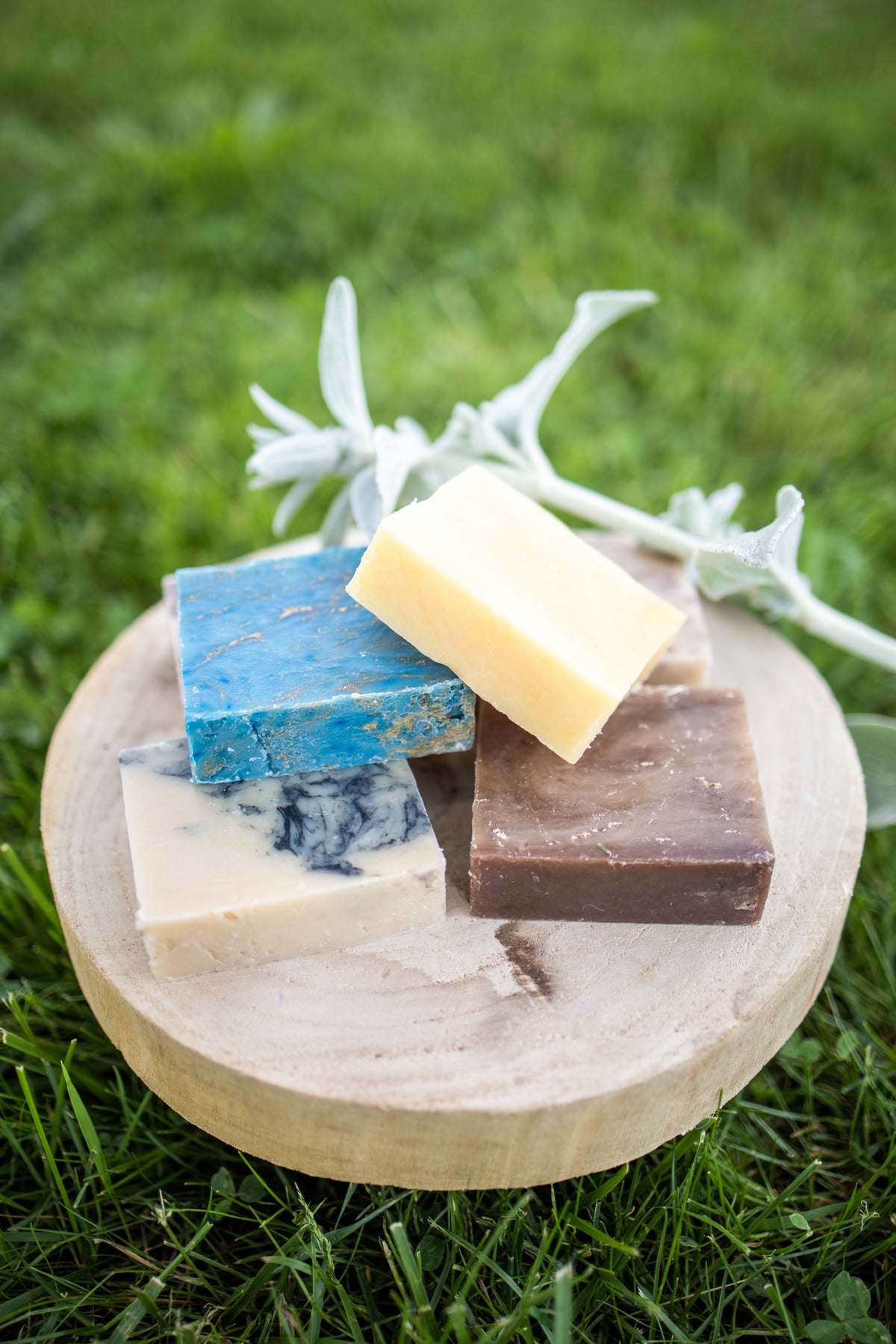
News – by Linda Lee-Bower
Why Is Everyone Switching to Handmade Soaps
Is your soap sabotaging your skin? Discover the game-changing benefits of handcrafted, all-natural soaps designed to hydrate, protect, and nourish. From healing ingredients like shea butter and coconut oil to toxin-free, therapeutic-grade essential oils, these soaps elevate your skincare and wellness routine. Ready to glow? Explore the secret to radiant, healthy skin.
Read more

News – by Linda Lee-Bower
Introducing our new Men’s Formula of Wild Yam Cream!
A new MEN’S FORMULA of our Wild Yam Cream coming October 30th!
Read more

News – by Linda Lee-Bower
Balancing Hormones With Wild Yam & Other Herbs: A Natural Solution
The Importance of Balancing Hormone Health Title: Natural Harmony: Wild Yam Cream with Chaste Berry and Marshmallow Root - A Holistic Solution for Hormonal Balance, Fertility, and Wellness in Both Women and MenIntroductionAmidst the dominance of synthetic solutions, the allure of nature's remedies has never been stronger. Enter the powerful trio: Wild Yam Cream enriched with the goodness of Chaste Berry and Marshmallow Root. This unique blend presents a promising avenue for addressing a range of health concerns in individuals of all genders. From hormonal balance to fertility and overall well-being, let's delve into the potential benefits of this natural combination for both women and men.Exploring the Dynamic Ingredients1. Wild Yam (Dioscorea villosa):Wild Yam, scientifically known as Dioscorea villosa, has a storied history of supporting hormonal health. Rich in diosgenin, a natural compound with hormone-like properties, it has the potential to promote hormonal balance. This equilibrium is crucial for reproductive health, menstrual cycles, and overall wellness in both women and men.2. Chaste Berry:Chaste Berry has earned its reputation as a champion of hormonal balance. By influencing the pituitary gland, it aids in regulating hormone production, including luteinizing hormone and prolactin. Its benefits extend beyond hormonal harmony, offering relief from premenstrual syndrome (PMS) symptoms and contributing to a smoother menstrual cycle. Additionally, it holds promise for supporting fertility in both women and men.3. Marshmallow Root (Althaea officinalis):Althaea officinalis, commonly known as Marshmallow Root, adds a soothing touch to this blend. Boasting a high mucilage content, it's renowned for its gentle, comforting effect on irritated tissues and mucous membranes. In the context of our Wild Yam Cream, Marshmallow Root not only complements the other ingredients but also offers potential relief from water retention, bloating, and may contribute to a favorable environment for fertility.Benefits for Women1. Hormonal Equilibrium: The combined effects of Wild Yam and Chaste Berry may help maintain hormonal balance, assisting women in managing the ebb and flow of hormones that impact overall well-being.2. PMS Relief: Chaste Berry's influence on hormone levels can aid in alleviating the discomfort of PMS symptoms, offering respite from bloating, mood swings, and breast tenderness.3. Navigating Menopause: Wild Yam's natural compounds have the potential to ease menopausal symptoms, including hot flashes and night sweats, supporting women through this transitional phase.4. Fertility Support: The Chaste Berry component of the blend may contribute to fertility by helping regulate hormone levels and promoting a balanced menstrual cycle.Benefits for MenThis herbal blend's advantages aren't limited to women—men can also benefit:1. Prostate Health: Chaste Berry's potential impact on hormone levels may contribute to prostate health, offering support for men's overall well-being, particularly as they age.2. Holistic Wellness: Marshmallow Root's soothing properties extend to aiding digestion, promoting a sense of comfort, and contributing to men's and women's overall vitality.Managing Water Retention, Bloating, and FertilityMarshmallow Root's inclusion brings an added dimension to the blend. Its potential to reduce water retention and bloating can provide relief to individuals of both genders, promoting a more comfortable and balanced daily experience. Furthermore, Chaste Berry's effects on hormone regulation may offer support for fertility in both women and men.Usage and ConsiderationsWhile the Wild Yam Cream with Chaste Berry and Marshmallow Root offers promising benefits, individual responses may vary. It's advisable to consult a healthcare professional before incorporating any new herbal remedy into your routine, especially if you have underlying health conditions or are taking medications.ConclusionIn a world saturated with artificial solutions, the allure of natural remedies remains steadfast. The fusion of Wild Yam Cream with Chaste Berry and Marshmallow Root embodies the potency of nature's gifts. Whether you're a woman seeking hormonal balance and fertility support, a man aiming to support prostate health, or anyone looking to manage water retention, bloating, and enhance wellness, this herbal blend holds promise. As with any natural remedy, informed and cautious use is the key to unlocking the potential benefits of this remarkable trio. Disclaimer: These statements have not been evaluated by the FDA. This product is not intended to diagnose, treat, cure or prevent any disease. No claims or guarantees are made regarding the effectiveness of this product. Discuss with your doctor prior to use. Herb information provided for educational purposes only. Not a substitution for advice given by your primary caregiver. Please research any new herb and consult your health care providers for possible drug/herb contraindications and precautions before ingesting. I urge consumers to please do your own research on all ingredients before buying and only do what makes you comfortable. Please consult with a qualified healthcare practitioner before using any herbal products, particularly if you are pregnant, nursing, or on any medications.
Read more

News – by Linda Lee-Bower
Caffeine And Tea
While the caffeine in tea and coffee are, technically, identical, the experience is different due to three key factors: 1. There is significantly less caffeine in the average cup of tea - especially when including green and white teas, as these are brewed at shorter times and cooler temperatures. 2. L-theanine, an amino acid found only in tea, has a relaxing effect that counteracts the jitteriness of caffeine without reducing the increase in alertness. 3. The high levels of antioxidants found in tea slow the body's absorption of caffeine - resulting in a gentler increase of the chemical in the system and a longer period of alertness with no crash at the end. The biggest myth about the caffeine content between coffee and tea is that tea contains more caffeine than coffee. While this is true when measuring coffee and tea in its dry form, this is false when comparing brewed coffee and tea. After all, we normally use 2 grams of tea per 6 ounce cup, and 10 grams of coffee for the same quantity of water. A widely cited 2004 British study looked at 200 cups prepared by consumers going about their normal brewing routines. It found that the average caffeine level in the cups of tea (black English style teas) was 40mg vs 105mg in the average cup of drip coffee. The amount of caffeine in tea depends on a number of factors, including the method and length of brewing or steeping. Studies also show that leaf location on the tea plant affects content of caffeine in that tea. The youngest leaves, highest on the plant, contain the greatest concentration of caffeine AND antioxidants. The greatest impact on caffeine content is the water temperature and length of steeping time. Black, Oolong, Green and White tea leaves themselves have surprisingly similar caffeine content. But a tea steeped for five minutes in boiling water is going to transfer a LOT more caffeine to the cup than a tea steeped for two minutes at 180 degrees Fahrenheit. Let's be clear: Oxidation does NOT increase the amount of caffeine in tea. There is no scientific basis to this common myth, and it results simply from measuring the caffeine in the cup after typical brewing methods and incorrectly crediting those results to the tea itself. While it's difficult (and usually incorrect) to make broad factual statements about how much caffeine is in Green Tea vs. Black tea, the varieties used (sinensis vs. assamica), growing methods (shade or high grown vs. low grown) and leaves selected (new vs. old growth) make the following teas stand out in their class: Relatively high caffeine Silver Needle (White)Gyokuro (Green)Matcha (Green)Assam (Black)Ceylon( Black)Darjeeling (Black) Relatively low caffeine Genmai Cha (Green)Gunpowder (Green Hojicha (Green)Kukicha (Green)Keemun (Black) Also, keep in mind that, because tea bags contain broken leaves of smaller size, they produce an infusion with more caffeine than loose tea does. This is also true of very fine loose tea. In comparison, the same volume of coffee yields at least double the amount of caffeine. In fact, most sodas have more caffeine as well. There has been much concern in the United States recently about the possible dangers of caffeine. Caffeine tolerance varies greatly among individuals, with some being much more caffeine sensitive than others. A common misconception is that those who are caffeine intolerant should stock up on Decaf tea. Decaffeinated tea, in fact, is not caffeine free at all. It still contains about 5-10 mg per cup. A common myth is that you can "make your own" decaf tea by briefly steeping the tea and throwing away resulting liquor. The theory is that most of the caffeine is washed away in this initial steeping. The truth, however, is something else entirely. Caffeine is extracted over time, and so the first 30 seconds of a five minute steeping cycle may only extract 20 to 30% of the caffeine (the amount depends on the leaf and processing style). As importantly, the antioxidants and other health benefits of tea tend to be extracted more quickly than the caffeine. As a result, that first quick steeping or "washing" removes both the caffeine AND the healthy elements found in tea. To eliminate caffeine intake completely, one must switch to herbal tea. All real tea comes from the same plant, Camellia sinensis, which contains caffeine. Herbal infusions, such as Chamomile, Rooibos and Peppermint, are made from botanicals not related to Camellia sinensis, and they are naturally caffeine free.
Read more

News – by Linda Lee-Bower
DIY Plant Based Milk Recipe
Make your own oat, cashew, almond milk at home! DIY Recipe There are many reasons why you should consider making your own plant-based milk at home. Firstly, it is a great way to save money. Store-bought plant-based milk can be expensive, but making your own at home is much cheaper. Secondly, homemade plant-based milk is fresher and more nutritious. When you make your own milk, you know exactly what ingredients are going into it. You can choose high-quality nuts and seeds, and avoid additives and preservatives that are often found in store-bought milk. Lastly, making your own plant-based milk is better for the environment. Store-bought milk often comes in non-biodegradable packaging, which contributes to waste. By making your own milk at home, you can use reusable containers and reduce your ecological footprint.
Read more

News – by Linda Lee-Bower
Dr Livinggood Talks About Sodium Bicarbonate
https://youtu.be/ZU_cpAwBlFo You’ve probably heard that baking soda can be used to clean out drains in your house, but did you know it can be used for other things, like… deodorant? In this video, I cover 13 different uses of baking soda, and the amazing benefits that it can have for your health. Thank you Dr Livinggood!
Read more

News – by Linda Lee-Bower
Sodium Bicarbonate Wrap with Barbara O'Neill
Barbara O'Neill is an author, educator, qualified naturopath and nutritionist. In this lecture - the twelfth in a series on the body's ability to heal itself - she shows how to perform a sodium bicarbonate wrap on the body. These lectures were recorded in Invercargill, New Zealand. Barbara O'Neill- Sodium Bicarbonate wrap
Read more

News – by Linda Lee-Bower
Natural Laws By Barbara O'Neill Video
"The same power that upholds nature, is working also in man. The same great laws that guide alike the star and the atom control human life. The laws that govern the heart's action, regulating the flow of the current of life to the body, are the laws of the mighty Intelligence that has the jurisdiction of the soul. From Him all life proceeds. Only in harmony with Him can be found its true sphere of action. For all the objects of His creation the condition is the same—a life sustained by receiving the life of God, a life exercised in harmony with the Creator's will. To transgress His law, physical, mental, or moral, is to place one's self out of harmony with the universe, to introduce discord, anarchy, ruin." The Laws - Barbara O'Neill < Click
Read more

News – by Linda Lee-Bower
Water & Sodium - Vital For Life Video
How much water do you drink? Water is the 2nd most vital element needed for life, which is why you can only survive a couple of weeks without water. Video about the importance of water and salt < click
Read more

News – by Linda Lee-Bower
Happy Hormones With Barbara O'Neill Video
Barbara O'Neill is renowned for her extensive knowledge in natural health and wellness. With years of experience and expertise, she delves into various aspects of holistic healing, nutrition, herbal remedies, and the importance of maintaining a balanced lifestyle. Her insights have empowered countless individuals to embrace a more natural and mindful approach to health, fostering well-being and vitality in their lives. Happy Hormones With Barbara Check out this Youtube video form Barbara
Read more

News – by Linda Lee-Bower
How to Cure Handmade Soap
Tips on how to cure handmade soap and how best to store it until you use it. Curing is the process of allowing saponification to complete and for the soap to fully dry. Handmade soap needs to cure before you can use it. I hope to answer any questions in this blog and to provide guidance on exactly how to cure soap. Why the need to Cure Handmade Soap? Even though it looks good to go there are reasons why you need to cure freshly made soap. There’s no hurrying up this process and it takes about a month to complete. More on what this means further below. The Cure Time Dries your Soap Out The main reason we cure soap is to let the water content evaporate out of the bars, and for them to dry out. Water/liquid that is still in your bars when you take them out of the mold. If you don't allow them to cure and dry then your bars will not last once to start using them. They can also have impaired lather The cure time will reduce the amount of water in your soap over a period of 4 weeks. By the end of that time, your bars can lose over half of the water they originally contained. How to cure handmade soap There are many places where you can cure your soap but the premise is all the same. It needs an airy place out of direct sunlight. You can use a bookshelf, cardboard boxes or even make towers of soap. Stacking soap during curing is perfectly fine and if you live in a warm and arid place, you could even cure your soap outside. That’s how it’s been traditionally cured in the Mediterranean and middle east. Even though your bars are firm at this time, they still contain moisture that can react with surfaces. That’s why we sit them on grease-proof or baking paper to protect both your soap and the units you’re using to cure it on/in. Then space your bars out so that there is plenty of airflow around them. Again, feel free to stack them, as long as there’s plenty of air that can circulate. Curing lets the water content of the soap evaporate out leaving you with harder longer lasting bars.
Read more
News – by Linda Lee-Bower
Why it’s important to use natural and organic products on your skin
Keeping your skin looking healthy and radiant is important, because healthy skin is one of the biggest indicators that tell us whether we are healthy on the inside too. In fact, the skin is the largest organ of our entire body, so we really should treat it with care. Here are 5 great reasons it is important to do so: 1. Using natural and organic skincare products can reduce skin irritation unlike non-organic and non-natural products. People with sensitive skin will know how easily irritated it is, and products with chemicals and other strange ingredients in them such as Benzoyl Peroxide (used to treat acne) often leave skin feeling dry, red and sore. It is easy to find natural alternatives to all skin products, whether you are targeting spots, wrinkles or just want your skin to feel clean and healthy. Natural products are kinder to your skin, and will work just as effectively. Naturally sourced ingredients such as zinc oxide, tea tree oil and lavender extract are all wonderfully healing, natural ingredients that will leave your skin feeling smooth and nourished instead of sore and irritated like other products that contain harmful chemicals. 2. Natural and organic skincare products have stood the test of time. What do you think people were using before all these supposed ‘skin enhancing’ chemicals were discovered? Natural ingredients of course! Many ingredients that are included in modern organic skincare products have been used for centuries, developed from ancient remedies that have been known for their incredible benefits for the skin. There is no better test than the test of time, and these ingredients have proven their worth and shown not to have any adverse side effects, guaranteeing healthy and beautiful looking skin. 3. If you wouldn’t eat it, don’t put it on your skin! Our skin is very absorbent, and when you use products such as moisturisers, cleansers and toners, the ingredients within these are getting absorbed into our bodies. It’s great to be health conscious and think about what we are putting into our bodies, and it doesn’t stop at what we eat and drink. Next time you are buying a new moisturizer take a look at the ingredients on the label and think, “Would I eat this?” If the answer is no perhaps it’s time to start turning your skincare routine into a more natural one! Chemical toxins are very destructive whereas natural products, which are made from flower and plant extracts, are designed to nourish our bodies and do nothing but good. 4. Buying better quality, organic and natural products actually means you end up saving a lot in the long run! How nice it would be to know we are doing something great for our health, while also saving money at the same time? Well, if you switch to natural and organic skincare products you can do just that. Organic and natural skincare products are actually very cost effective when compared to their non-natural alternatives, especially as the quality of the ingredients means you can use less, which in turn means the product will last longer over time. While some chemical based products may be cheaper, you end up needing to use a lot of them - putting layer after layer of moisturizer on as your skin still feels dry, therefore having to buy more of it, and actually costing you more in the long run 5. Buying naturally and sustainably sourced products can be much kinder to the environment. Using natural and organic products in much better for the environment. Skincare products that contain chemicals can have a very damaging impact on the environment, sprays and perfumes that are released into the atmosphere can be very harmful, as well as the manufacturing process that takes place to create them. If you use natural and organic skincare products not only will you reap the benefits of beautiful skin, but also can enjoy them guilt-free without harming the environment.
Read more

News – by Linda Lee-Bower
HEALTH BENEFITS OF PINE NEEDLE TEA
Pine needles and other parts of the tree have been used for hundreds- and probably thousands- of years for health, but they are only just coming back into the spotlight as "an herb of the people." Here's more about the hidden benefits of pine, a simple pine needle tea recipe, and other ways to use this aromatic herb. Pine Needles for Health? Pine needles come, of course, from the pine tree (Pinus sp.). This sounds obvious, but it's actually an important thing to keep in mind because many evergreen conifers get called "pine trees" even when they are not pine at all. To get all the benefits of the needles and avoid potentially toxic trees, make sure you collect from a true pine tree, like Eastern White Pine (Pinus strobus). Look up foraging guidelines before you harvest because some evergreen species are toxic. True pine trees, however, have long been valued and used in many different herbal traditions. Native American medicine is one of the best examples of this. They used pine in many ways, including as an ointment for the skin and a general health tonic, and made use of the bark and sap as well as the needles. Today, many herbalists favor pine as a support for the respiratory system and a mild immune booster. Health Benefits of Pine Needles Rich in Immune-Supportive Vitamin C Pine needles were once used to make a tea that fought scurvy because of their vitamin C content. (This was something the Native Americans taught the new settlers.) Using the needles to make a cup of tea is a great way to give your immune system a gentle boost, especially because the needles also contain shikimic acid, a compound that may have antiviral properties. Like many other herbs and plant foods, pine needles contain antioxidants that help to protect your body from free radical damage, chronic inflammation, and disease. Studies have found that some of the specific antioxidants in pine needles include proanthocyanidins and catechins. Not only do these antioxidants help lower inflammation, they also have shown potential for fighting cancer cells.
Read more

News – by Linda Lee-Bower
What does a face oil do? What’s all the hype about!?
The benefits of face oils span every skin type and goal. Because… Face oils provide skin with AH-MAZING moisture. Made of fatty acids and lipids, facial oils moisturize skin. They also lock hydration a.k.a. water into your skin and prevent transepidermal water loss. This translates to soft, supple, glowing skin. Moisturized skin also appears more youthful than dry skin, and heals more quickly. Face Oils are jam-packed with antioxidants, which fight the signs of aging AND blemishes. “How?” you ask!? Antioxidants neutralize aging free radicals Antioxidants help stimulate collagen production Antioxidants prevent sebum oxidation Face oils really lead the army when it comes to the fight against acne and blemishes. How to use face oils in your natural skincare routine. How do you apply face oil? When it comes to face oils, a little goes a long way. Dispense just 4-8 drops of oil onto the palm of your hand, rub your hands together to warm then oil, then gently pay the oil into your skin. When should you apply face oil? You can apply face oils in both the morning and evening. However, if you tend an oily skin type, you may prefer to only apply them in the evening. Do you put face oil on before or after moisturizer? You want to apply your face oil as the last step in your routine, after applying any water-based serums or moisturizers.
Read more
Be the first to know about new products and offers
On all US orders over $85!
Expertly made at Woodridge Farm